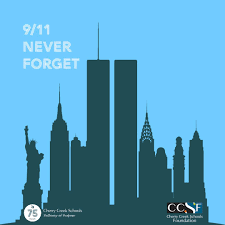
Introduction
The events of September 11, 2001, profoundly changed the United States and the world. For children, learning about 9/11 can be a challenging task due to its complex themes of loss, heroism, and resilience. It’s essential for educators and parents to present this information in a sensitive way that is age-appropriate. Understanding this historical event fosters empathy, awareness, and a sense of community responsibility in young individuals.
What Happened on 9/11?
On the morning of September 11, 2001, a series of coordinated terrorist attacks took place in the United States. Four commercial airplanes were hijacked by members of the terrorist group al-Qaeda. Two of these planes crashed into the North and South Towers of the World Trade Center in New York City, leading to their subsequent collapse. Another plane hit the Pentagon in Arlington, Virginia, while the fourth, United Flight 93, was headed for another target but crashed into a field in Pennsylvania after passengers attempted to regain control. Nearly 3,000 people lost their lives, and countless others were affected by the tragic events.
Significance of 9/11
9/11 is more than just a date; it signifies a moment of profound grief but also a story of bravery, resilience, and hope. Many individuals, including first responders, showed incredible courage as they rushed to help others, demonstrating the values of selflessness and community support. Through age-appropriate discussions, children can understand the importance of kindness, empathy, and standing together in the face of adversity.
How to Talk to Kids About 9/11
When discussing 9/11 with children, it is crucial to tailor the conversation to their age group. For younger children, focus on general themes of safety, community, and the importance of helping one another. Use resources such as books, documentaries, or children’s programs that address the topic sensitively. Encourage questions and be prepared to provide honest yet age-appropriate answers, emphasizing the resilience of people during that time.
Conclusion: Reflecting on 9/11
As we commemorate the anniversary of 9/11, it remains vital to educate our children about this significant event. By doing so, we not only preserve history but also instill values of empathy, resilience, and heroism in the next generation. These lessons can help build a more compassionate society and equip children with the understanding they need to navigate challenging discussions about world events. Educating kids about 9/11 is not just about recounting the past; it’s about fostering a future of kindness and awareness.