Introduction
Chongqing, one of the largest municipalities in China, is rapidly emerging as a pivotal economic and cultural hub in the region. With a population of over 30 million, arguably the most populous city in the world, Chongqing plays a critical role in China’s growth story. The city’s unique geography, combining stunning mountains and rivers, along with its vibrant culture, makes it a fascinating destination for both tourists and investors.
Geography and Urban Development
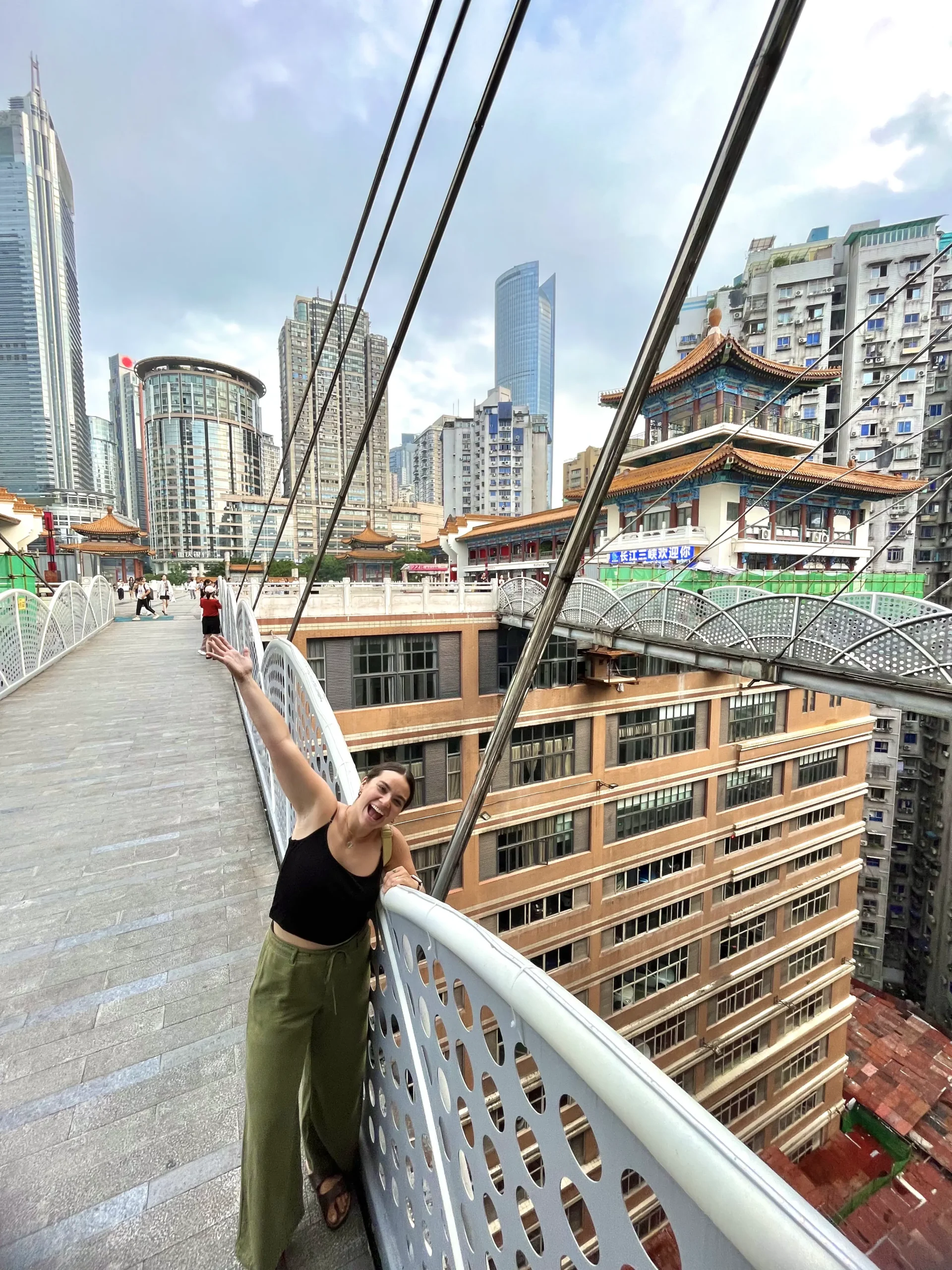
Nestled at the confluence of the Yangtze and Jialing Rivers, Chongqing boasts a unique topography of steep hills and lush greenery. This geographical makeup has challenged urban planners but has led to innovative architectural solutions. The city is famed for its impressive skyline featuring modern skyscrapers and the historic architecture of old Chongqing, known as the Ciqikou Ancient Town. Recent urban development projects have focused on sustainable living, aiming to merge the natural landscape with urban spaces.
Economic Growth
As a central logistics hub, Chongqing has attracted significant investments in various sectors, including manufacturing, technology, and finance. The establishment of the Chongqing Free Trade Zone in 2017 symbolizes the city’s ambition to enhance its role in international trade. Furthermore, the new infrastructural projects such as the Yangtze River Economic Belt initiative aim to improve connectivity and foster economic synergy among the surrounding areas.
Cultural Significance
Chongqing is often dubbed the “Hot Pot Capital” of China, famed for its spicy Sichuan cuisine. This culinary reputation draws millions of food lovers annually, who explore local delicacies such as hotpot and dumplings. Additionally, the city features rich cultural attractions like the Three Gorges Museum and the ancient Wulong Karst National Geology Park, which together celebrate Chongqing’s historical significance and natural beauty.
Conclusion
The future of Chongqing appears promising as it positions itself as a vital player in not only China’s economy but also on the global stage. Ongoing developments in infrastructure and investment, combined with its unique culture and landscapes, suggest that Chongqing will continue to attract visitors and businesses alike. With an increasing focus on sustainability and high-tech industries, Chongqing’s evolution is set to define a new era of urban living in China.