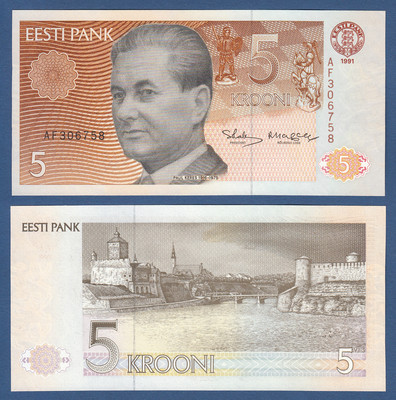
Introduction to Estonia
Estonia, a small Baltic nation bordering the Gulf of Finland, has emerged as a significant player in Europe due to its rapid technological advancements and unique cultural heritage. With a population of approximately 1.3 million, Estonia has gained recognition for its innovative digital society and effective governance. As countries around the world pivot toward digital transformation, Estonia has established itself as a model for tech integration in governance and daily life.
Digital Society and Innovation
In recent years, Estonia has become synonymous with digital innovation. The nation’s e-Residency program allows global citizens to start and manage businesses online, making it one of the most business-friendly environments in the world. Estonia’s comprehensive digital infrastructure includes digital ID cards, online voting, and a vast array of e-services that enhance the convenience of daily interactions with the government.
The Estonian government aims to transition to a fully digital state by 2025, positioning itself as a leader in e-governance and digital public services. Additionally, its commitment to cybersecurity is reflected in its hosting of the NATO Cooperative Cyber Defence Centre of Excellence in Tallinn, the capital city. This proactive stance highlights Estonia’s significant role in global cybersecurity discussions.
Cultural Heritage and Tourism
Beyond its technological framework, Estonia boasts a rich cultural landscape. The medieval Old Town in Tallinn, a UNESCO World Heritage site, draws visitors with its historic architecture and vibrant atmosphere. Estonia’s annual festivals, such as the Tallinn Music Week and the Viljandi Folk Music Festival, showcase its deep-rooted traditions while embracing modern artistic expressions.
Moreover, the nation offers a diverse natural environment, including charming islands, lush forests, and scenic coastlines that attract eco-tourism. Estonia’s commitment to preserving its cultural identity, coupled with its modern advancements, appeals to a wide array of travelers seeking both history and innovation.
Conclusion and Future Outlook
Estonia stands at the crossroads of tradition and cutting-edge technology, making it a fascinating case study for other nations aiming for digital advancement. Its model of e-governance not only streamlines services but also enhances citizen engagement. As Estonia continues to evolve and position itself on the global stage, the world watches closely. The ongoing developments in its digital infrastructure and cultural initiatives will likely have lasting effects, establishing Estonia as a blueprint for how small nations can thrive in the digital age.