Introduction
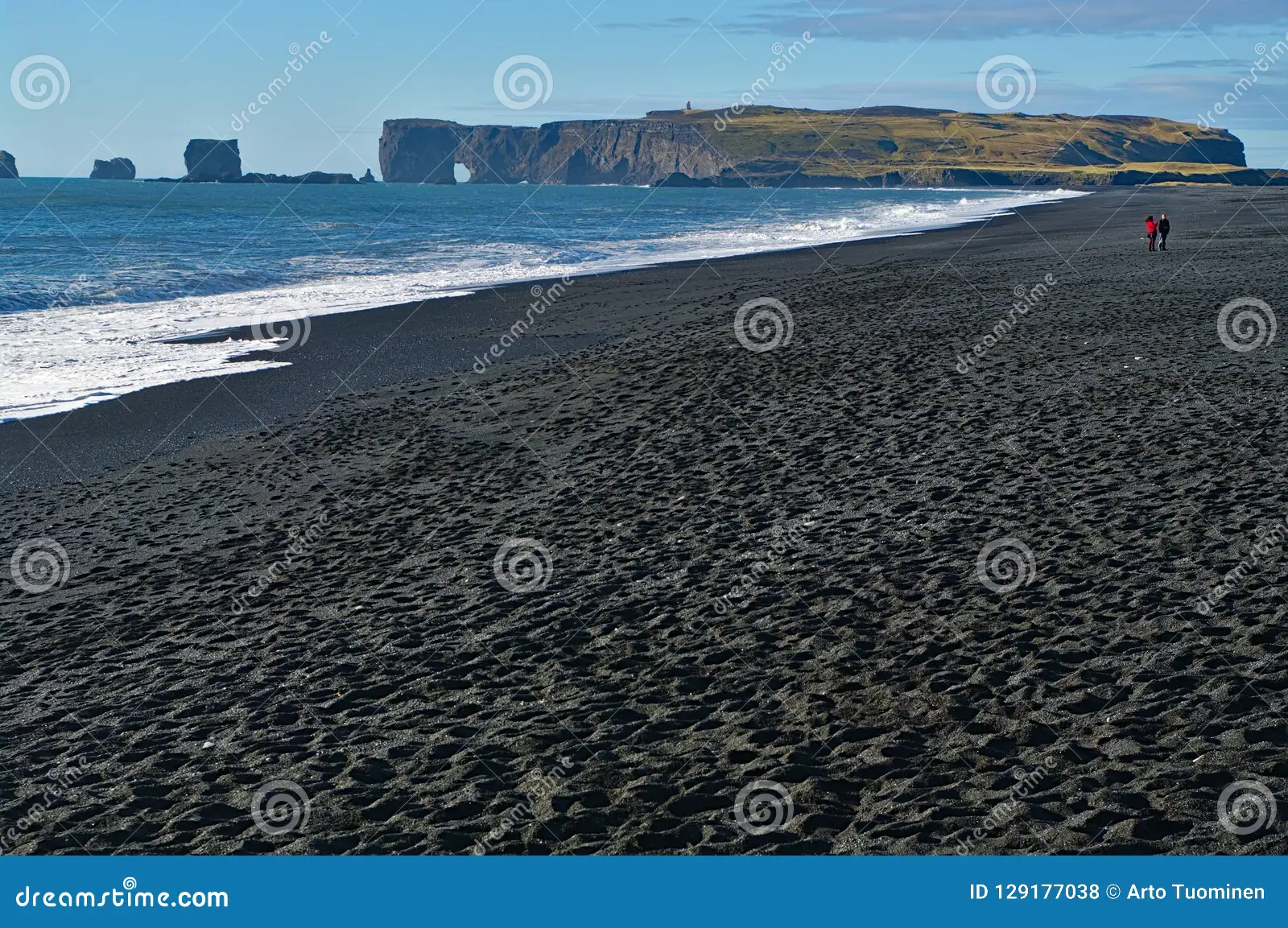
Reynisfjara Black Sand Beach, situated on the southern coast of Iceland near the town of Vík í Mýrdal, is renowned worldwide for its striking natural beauty and unique geological features. As one of the most famous black sand beaches in the world, Reynisfjara attracts a multitude of visitors each year, fascinated by its otherworldly landscapes shaped by volcanic activity and powerful ocean waves. Understanding the allure of this remarkable beach is essential for travelers and geology enthusiasts alike.
Geological Features
The black sands of Reynisfjara are the result of volcanic eruptions that created basaltic lava, which upon cooling and weathering, transformed into fine grains of sand. This distinctive coloration contrasts dramatically with the white foamy waves that crash against the shore, creating an unforgettable visual spectacle. Notable geological formations include the Reynisdrangar sea stacks, which rise majestically from the ocean, steeped in local folklore about trolls turned to stone.
Safety Precautions
While Reynisfjara’s beauty is captivating, it also poses significant dangers due to its unpredictable waves and high surf conditions known as “sneaker waves.” These waves surge abruptly onto the shore, threatening the safety of unsuspecting visitors. The Icelandic Meteorological Office emphasizes the importance of heeding local warnings and maintaining a safe distance from the shoreline to avoid accidents.
Wildlife and Environment
The beach and its surrounding areas are rich in biodiversity, making them an ideal location for birdwatching. Species such as puffins and guillemots nest in the cliffs that overlook the beach during summer months. Reynisfjara’s unique ecosystem reflects the delicate balance between the rugged coastline and the North Atlantic Ocean, making it a prime location for ecological studies and environmental conservation efforts.
Tourism and Accessibility
Reynisfjara is easily accessible from Reykjavik, located approximately 180 kilometers (112 miles) away. Tour operators frequently include the beach in their itineraries, allowing visitors to explore its geological wonders along with other natural attractions in the south of Iceland, such as Skógafoss and Seljalandsfoss waterfalls. The site has also gained significant popularity on social media platforms, further enhancing its appeal to tourists worldwide.
Conclusion
Reynisfjara Black Sand Beach remains a highlight of Iceland’s natural beauty, combining breathtaking vistas with rich geological and ecological features. For anyone interested in witnessing the splendor of nature, this iconic destination offers an unparalleled experience. As visitation increases, continued conservation efforts will be crucial in preserving the beach’s unique environment for future generations to enjoy.