Introduction
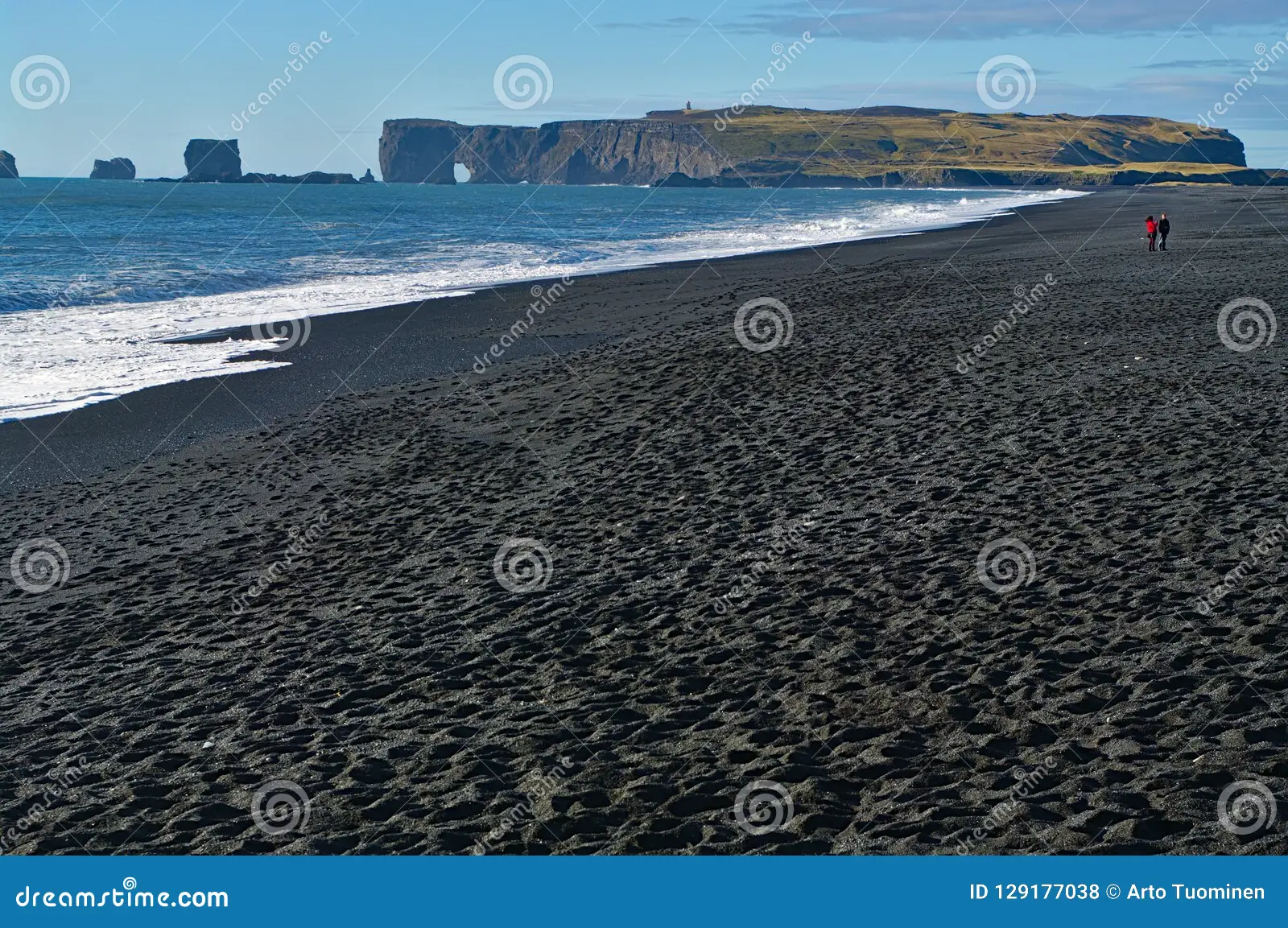
Iceland is renowned for its otherworldly landscapes, and one of its most striking features is Reynisfjara black sand beach. Located on the southern coast near the town of Vik, Reynisfjara is a natural wonder that attracts thousands of visitors each year. The beach’s unique black sand, created from volcanic activity, has become an iconic symbol of Iceland’s diverse geography. Understanding the charm and allure of Reynisfjara is essential for travelers seeking to experience the raw beauty of nature.
An Overview of Reynisfjara
Reynisfjara beach is not just remarkable for its black sands; it’s also famous for its dramatic basalt columns and stunning sea stacks. The two prominent sea stacks, Reynisdrangar, are believed to be trolls turned to stone as they tried to drag a ship to shore. The beach is framed by towering cliffs and provides breathtaking views of the North Atlantic Ocean.
Geological Significance
The black sand at Reynisfjara originates from the volcanic basalt rock that erodes over time, giving the beach its deep black coloration. This geological process is part of what makes Iceland so geologically active. Visitors can witness evidence of ongoing volcanic activity not far from the beach, making it a unique location for education as well as recreation.
Visitor Information
The beach has become a popular spot for photographers, nature lovers, and those seeking a tranquil escape. However, visitors are advised to exercise caution due to the strong waves and unpredictable weather conditions. The infamous “sneaker waves” can be particularly dangerous, sweeping unsuspecting individuals into the ocean, so staying vigilant is crucial.
Conclusion
The Reynisfjara black sand beach exemplifies the extraordinary natural beauty of Iceland, offering a striking contrast to the white sands often found in tropical locales. As travel resumes after the pandemic, this location has solidified its place as a must-see destination for those exploring the Land of Fire and Ice. With its unique geological features and rich folklore, Reynisfjara continues to enchant visitors, encouraging many to delve deeper into the natural wonders of Iceland. Future forecasts suggest an increase in eco-tourism, allowing Reynisfjara to maintain its attractiveness while promoting sustainable travel practices.