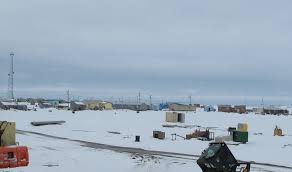
Introduction to Kipnuk, Alaska
Kipnuk, a small village located on the western coast of Alaska, is often overshadowed by more prominent cities in the state. With a population of just over 600 residents, Kipnuk serves as a unique representation of Indigenous culture and geography. Its remote location, nestled between the Kuskokwim River and the Bering Sea, offers an intriguing blend of natural beauty and community resilience, making it an important case study for environmental and cultural preservation.
Geography and Demographics
Kipnuk is situated approximately 100 miles northeast of Bethel, another Alaskan hub, and is primarily accessible by air or boat. The landscape around Kipnuk is characterized by tundra, rivers, and wetlands, which play a crucial role in the subsistence lifestyle of its residents. The village is predominantly inhabited by the Yup’ik people, who have lived in this region for thousands of years and continue to practice traditional activities like fishing, hunting, and gathering. According to the U.S. Census Bureau, Kipnuk’s current population reflects a mix of younger families and a significant number of elders, showcasing its dynamic community structure.
Culture and Lifestyle
The culture of Kipnuk is deeply rooted in Yup’ik traditions. Residents engage in seasonal activities that revolve around the Arctic climate, with fishing and hunting being essential for both food and community gatherings. Local festivals often celebrate traditional practices, showcasing Yup’ik dance, art, and food, attracting not only villagers but visitors interested in learning about Alaska Native culture.
Current Events and Developments
In recent months, Kipnuk has been in the news due to its ongoing adaptation to climate change. Like many Arctic communities, Kipnuk is facing challenges such as rising temperatures, which are altering fish migration patterns and leading to the erosion of its coastline. Local leaders have been proactive in advocating for infrastructure improvements to counteract these threats. Additionally, efforts are being made to preserve the Yup’ik language and traditions, through educational programs aimed at younger generations.
Conclusion
Kipnuk, Alaska, may not be a conventional tourist destination, but it offers a unique glimpse into the resilience and adaptability of Indigenous cultures and communities in the face of contemporary challenges. As climate change continues to impact the Arctic, Kipnuk stands as a pivotal case for understanding how traditional practices can inform modern solutions. For those interested in cultural heritage and environmental issues, Kipnuk presents an opportunity not just to witness, but to engage with a vital aspect of Alaskan life.