Introduction
Liverpool City, located in the northwest of England, is not just a vibrant port city; it represents a rich tapestry of culture, history, and economic growth. Known for its influential music scene, sports teams, and maritime history, Liverpool is a UNESCO World Heritage Site, attracting millions of visitors each year. Its relevance has only increased as it continues to adapt and thrive in a changing global landscape.
Historical Significance
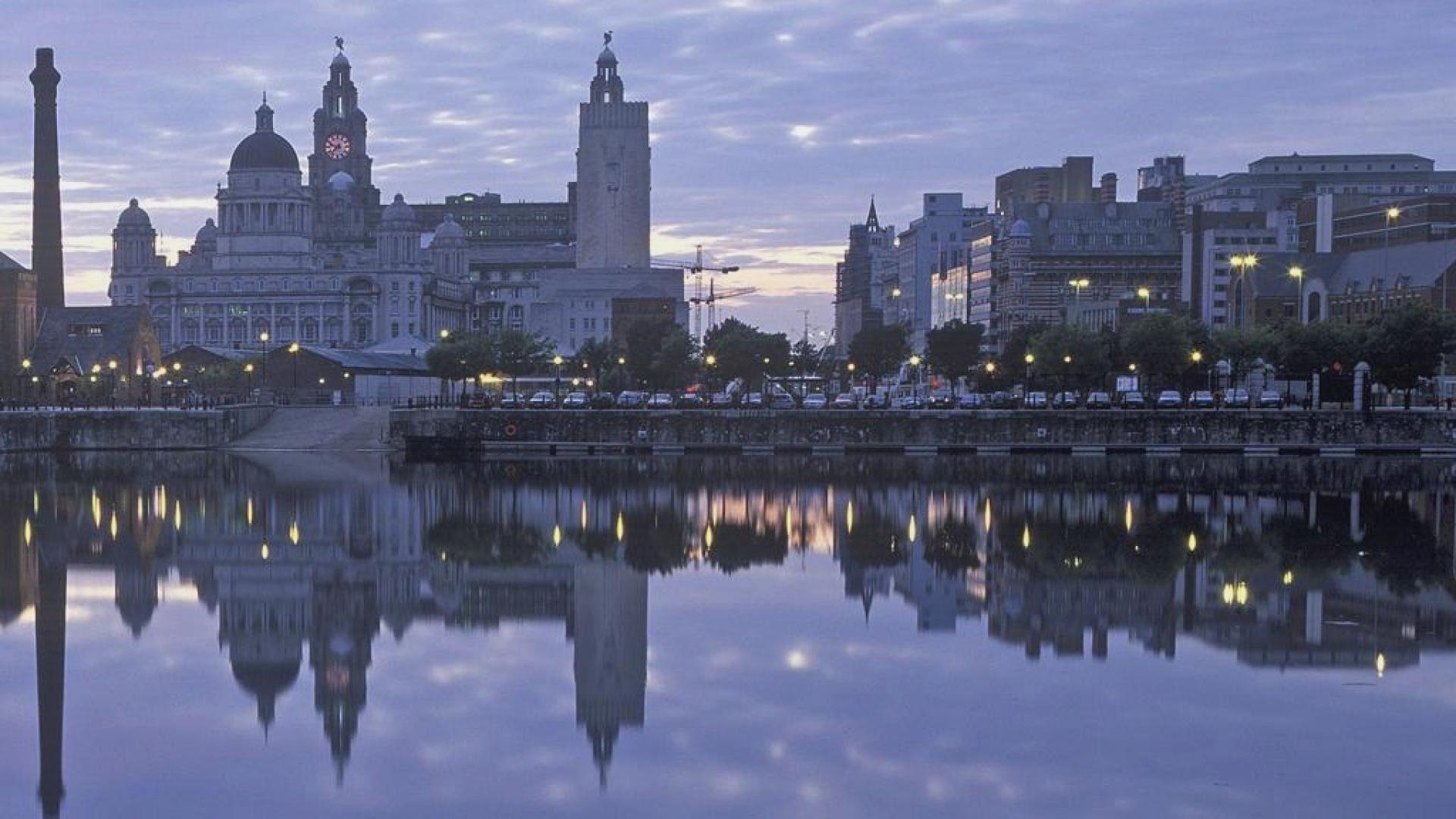
Founded in 1207, Liverpool’s growth was fueled by its strategic position on the Mersey Estuary, becoming a major trading port, particularly during the 18th and 19th centuries. The city’s docks played a crucial role in the transatlantic slave trade and were pivotal during the Industrial Revolution. Today, the Royal Albert Dock, part of the city’s historical area, stands as a reminder of its rich maritime legacy.
Cultural Identity
Liverpool is known worldwide as the birthplace of The Beatles, an iconic band that changed the music industry. The city embraces its musical heritage with numerous events such as the Liverpool International Music Festival and venues like the Echo Arena. Beyond music, the arts flourish in Liverpool, with institutions like the Tate Liverpool and the Liverpool Philharmonic Orchestra contributing to the cultural vitality.
Economic Development
In recent years, Liverpool City has focused on economic regeneration, with significant investments in its infrastructure, housing, and business sectors. The Liverpool City Region Local Enterprise Partnership has been instrumental in steering economic development initiatives. As of 2023, the city has witnessed a boom in creative industries, tourism, and digital sectors, contributing to a robust regional economy.
Current Events
In 2023, a major milestone was achieved with the opening of the new Liverpool Cruise Terminal, which is expected to bolster tourism and generate significant revenue for the local economy. Additionally, the city will host the prestigious International Biennial of Contemporary Art, showcasing Liverpool’s commitment to cultural prominence on the global stage.
Conclusion
As Liverpool City continues to evolve, its unique blend of cultural heritage and economic development signals a promising future. The ongoing investment in infrastructure, arts, and entertainment is set to attract further tourism and business, ensuring that Liverpool remains a vibrant urban center. For residents and visitors alike, the city offers a dynamic experience filled with history, creativity, and opportunity.