Introduction
New Guinea, the world’s second-largest island, holds a significant position in the realm of cultural diversity and ecological richness. With over 800 indigenous languages, it is one of the most linguistically diverse regions in the world, reflecting the intricate social structures and traditions of its inhabitants. Understanding New Guinea is essential not only for appreciating its cultural heritage but also for recognizing its role in global biodiversity and conservation efforts.
Cultural Heritage
New Guinea is home to numerous distinct ethnic groups, each with their unique customs, art forms, and traditions. The island’s population is primarily divided between Papua New Guinea (PNG) and the Indonesian province of Papua. In PNG alone, about 70% of the population live a traditional lifestyle, largely untouched by modernization. Festivals such as the Mount Hagen Show celebrate tribal culture through dance, music, and elaborate costumes, drawing both local and international tourists. Preservation of these traditions is vital to maintaining the identity and heritage of New Guinea’s diverse communities.
Ecological Significance
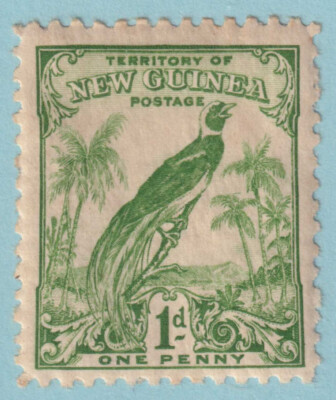
New Guinea’s habitats range from lush rainforests to mountainous regions, offering refuge to a myriad of plant and animal species. More than 5% of the world’s biodiversity can be found here, including species like the tree kangaroo and the bird of paradise. However, New Guinea also faces significant environmental challenges. Deforestation, palm oil plantations, and mining threaten its rich ecosystems. According to the Asian Development Bank, up to 74% of the island’s forests could vanish by 2030 if current trends continue.
Current Conservation Efforts
In response to these threats, various organizations and local communities are now working towards sustainable practices and conservation efforts. Initiatives aimed at reforesting degraded areas and creating protected zones are gaining traction. Furthermore, the Papua New Guinea government has pledged to establish more national parks and reserves that not only protect biodiversity but also provide economic opportunities for local communities through eco-tourism.
Conclusion
As New Guinea stands at the crossroads of cultural and ecological significance, the future of this remarkable island hinges on balanced development that honors both its rich heritage and its crucial biodiversity. Readers should recognize the importance of supporting conservation efforts and promoting sustainable tourism to ensure that New Guinea thrives for generations to come. The knowledge gained about this unique region can foster greater appreciation and action towards preserving its invaluable resources.