Introduction
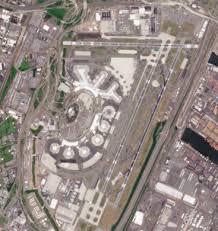
Newark Liberty International Airport (EWR) stands as one of the major gateways to the United States, serving millions of passengers each year. Located in Newark, New Jersey, it is not only vital for local commerce and tourism but also plays a significant role in the broader transportation infrastructure of the Northeast corridor. The airport is crucial for connections to other domestic and international destinations, making it highly relevant for travelers, airline operators, and economic stakeholders.
Recent Developments and Importance
In 2023, Newark Airport embarked on a series of significant improvements aimed at enhancing the passenger experience and expanding capacity. The airport is undergoing a $2.7 billion redevelopment project that includes the construction of new terminals, enhanced security measures, and upgraded amenities. These developments are crucial given the increasing air travel demand post-pandemic, as air travel has rebounded sharply in 2023 with many airlines reporting record numbers of passengers.
The airport is strategically located just 16 miles from midtown Manhattan, making it a convenient choice for travelers heading to New York City and beyond. As of 2023, Newark has emerged as a crucial hub for both domestic flights, particularly along the Eastern Seaboard, and international flights to Europe, Latin America, and Asia. A partnership with United Airlines solidifies its status as a primary operating base for many global routes.
Challenges and Future Outlook
Despite its advancements, Newark Airport faces challenges such as congestion and delays, particularly during peak travel seasons. The airport’s management is working diligently to mitigate these issues through better scheduling and operational improvements. In addition, environmental concerns remain prevalent as the airport seeks to address noise pollution and carbon emissions, in line with industry-wide goals for sustainability.
Looking ahead, the continued focus on modernization and passenger convenience at Newark Airport is expected to bolster its role as a leading air travel hub. Expanding passenger services and creating a seamless travel experience will be critical in maintaining its competitive edge against other major airports in the region.
Conclusion
In conclusion, Newark Airport not only facilitates the movement of millions of travelers but also serves as an essential economic engine for New Jersey and the tri-state area. With ongoing investments and a commitment to enhancing the travel experience, Newark Airport is poised to remain a vital part of the air travel landscape for years to come. Travelers can expect better services and facilities that align with modern travel demands, ensuring a bright future for this significant transportation hub.