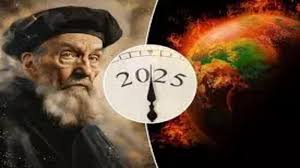
The Relevance of Nostradamus Today
Nostradamus, a prominent 16th-century French astrologer and physician, is renowned for his cryptic quatrains that many believe predicted significant global events. As we approach 2025, an increasing number of enthusiasts and scholars are revisiting his writings to decipher what the future may hold. With geopolitical tensions, climate change, and economic challenges dominating current news, examining Nostradamus’s prophecies offers a fascinating perspective on potential outcomes.
Key Predictions for 2025
Nostradamus’s predictions are often open to interpretation, but several themes emerge in relation to 2025. Notably, many followers highlight the following:
- Global Conflicts: Nostradamus has made reference to conflicts arising from political unrest and territorial disputes. As tensions continue to rise in areas like Eastern Europe and the Middle East, many believe that his predictions may foreshadow a period of chaos and conflict.
- Environmental Disasters: The writings of Nostradamus also suggest a focus on catastrophes affecting nature. Climate change has led to severe weather patterns, and experts warn that the next few years could witness significant environmental upheaval. Nostradamus’s reference to “great plagues” may resonate with current global health issues and environmental crises.
- A New World Order: Certain scholars interpret Nostradamus’s work as a forecast for shifts in power dynamics and the emergence of new leadership. The rise of technology and information age disruption could manifest in governance changes worldwide.
The Interpretation of Nostradamus’s Quatrains
Interpreting Nostradamus’s quatrains involves nuances and a degree of subjectivity. Scholars often debate the authenticity and context of his verses, leading to divided opinions. While some argue that his predictions are entirely coincidental, others posit that his insights are alarmingly prescient. The quatrains could also be reflective of human anxieties, serving as a mirror to societal fears.
Conclusion: Reflections and Implications
As we stand on the brink of 2025, the allure of Nostradamus’s predictions continues to captivate a global audience. While skeptics may dismiss these prophecies, the blend of historical context and modern events encourages reflection on potential futures. For readers, whether one accepts these predictions as markers of impending realities or as storytelling artistry, they serve as a platform for dialogue concerning the challenges and transformations expected in the coming years. Ultimately, it is a reminder of humanity’s ongoing quest for understanding and foresight in an uncertain world.