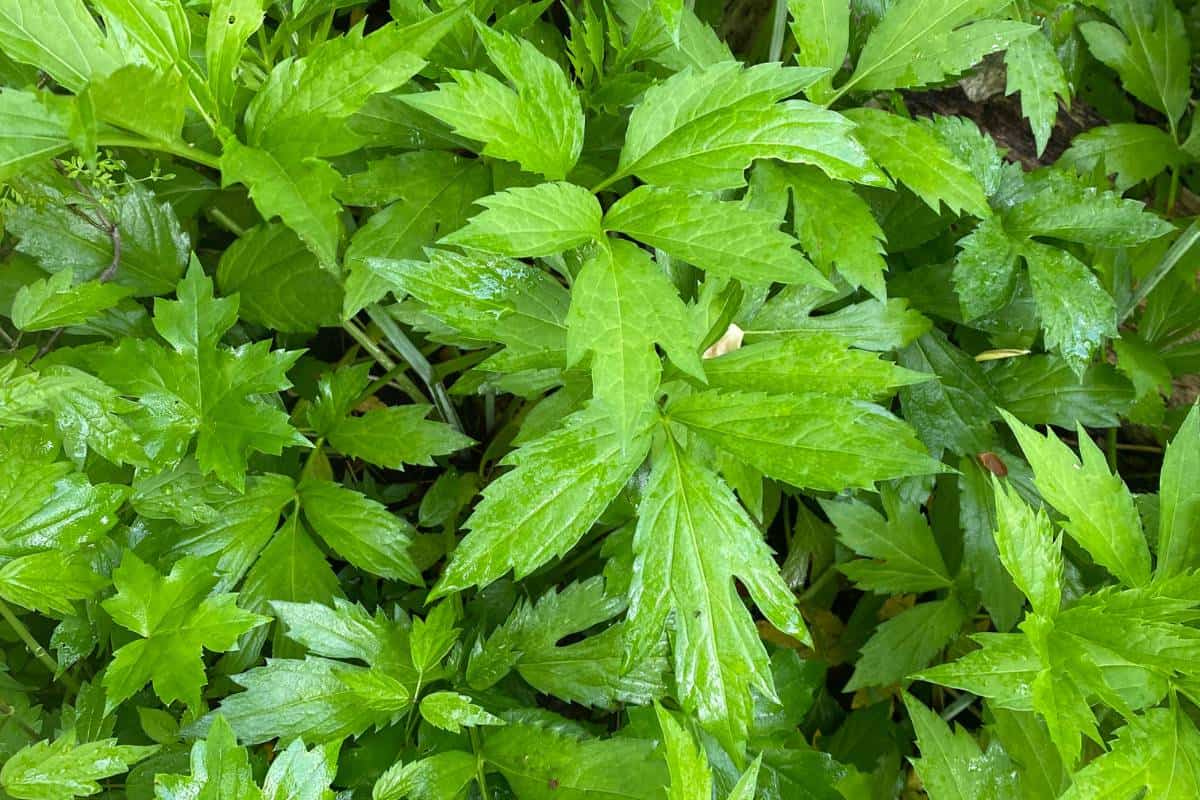
Introduction to Sochan
Sochan, also known as the common name for the plant Rudbeckia laciniata, has recently captured the attention of chefs and culinary enthusiasts across the United States. This wild green, often found in moist areas, is not only appreciated for its unique flavor but is also celebrated for its nutritional benefits. As interest in foraged foods grows, sochan is becoming a sought-after ingredient in various dishes, making it highly relevant in today’s gastronomic trends.
Sochan’s Culinary Emergence
Traditionally used by Native American tribes, sochan is rich in vitamins A and C, as well as calcium and iron. The leaves, which can be cooked or eaten raw, impart a slightly bitter, earthy flavor reminiscent of kale or chard. Over the past year, restaurants across urban settings have begun to include sochan in seasonal menus, offering dishes such as sochan pesto, sautéed greens, or even as a fresh salad component. The rise of local and sustainable dining practices further bolsters its popularity, appealing to consumers looking to explore lesser-known ingredients.
Harvesting Sochan
Sochan is primarily harvested in the spring and early summer, making its appearance around the same time as other spring greens. Foragers and culinary professionals alike are encouraged to learn about sustainable harvesting methods to ensure the plant’s continued growth and availability. Identifying sochan can be tricky; it is distinguishable by its jagged leaves and yellow flowers that bloom during the summer months. Caution should be exercised, as it may be confused with certain toxic plants.
Sochan’s Nutritional Benefits
Aside from its unique taste, sochan is packed with health benefits. It contains antioxidants that can help fight inflammation, boost immune health, and support overall well-being. As consumers become increasingly health-conscious, integrating nutrient-rich foraged greens like sochan into their diets offers a natural way to enhance their meals while also embracing sustainable eating practices.
Conclusion: The Future of Sochan
As more chefs and food enthusiasts continue to discover sochan, it is likely to become a staple in the realm of foraged foods. Its rich cultural history, along with its culinary potential and health benefits, solidifies sochan’s place in the future of American cooking. For readers and food lovers, trying sochan could not only add new flavors to their dishes but also connect them to nature and traditional culinary practices. The continued growth of foraged ingredients like sochan reflects a broader movement towards sustainability and authenticity in gastronomy, making this green one to watch in culinary circles.