Introduction to Sudden Death Syndrome
Sudden Death Syndrome (SDS) is an alarming and often misunderstood phenomenon that highlights the unpredictable nature of certain medical conditions. This devastating event typically occurs without warning, making it critical for both healthcare professionals and the general public to understand its potential causes and risk factors. Recent studies indicate that SDS affects various populations, emphasizing the need for awareness and preparedness.
What is Sudden Death Syndrome?
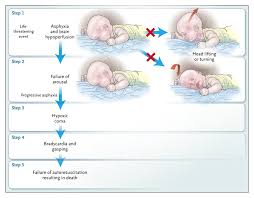
Sudden Death Syndrome refers to unexpected deaths, primarily occurring in apparently healthy individuals. In young adults, it is often associated with undiagnosed heart conditions, such as hypertrophic cardiomyopathy or arrhythmias. In infants, Sudden Infant Death Syndrome (SIDS) has been a significant focus, as it represents the sudden, unexplained death of an infant, usually during sleep.
Causes and Risk Factors
Several factors contribute to the risk of sudden death across different age groups. For adults, cardiovascular disease is a leading cause. Conditions like high blood pressure, high cholesterol, and a sedentary lifestyle elevate the risk of sudden cardiac events. Genetic predispositions can also be significant. In children and infants, factors like prematurity, low birth weight, and exposure to smoke increase the likelihood of SIDS.
Recent Research and Statistics
In recent years, attention to SDS has surged, and researchers are actively working to understand its causes better. According to data from the American Heart Association, approximately 400,000 cardiac arrests occur in the United States each year, with many resulting in sudden death. Meanwhile, the Centers for Disease Control and Prevention reports a steady decline in SIDS, with multifaceted prevention strategies significantly reducing its incidence. However, more work is needed to ensure other age groups are also protected from sudden death occurrences.
Conclusion: Significance and Future Outlook
The implications of Sudden Death Syndrome extend beyond healthcare, affecting families and communities at large. Increased awareness and research are essential in preventing these tragic events. Future initiatives may include improved screening processes for at-risk populations, continued education on lifestyle choices that reduce the risk of heart disease, and advocacy for safe sleep practices for infants. By collectively confronting the challenges posed by Sudden Death Syndrome, society can take significant steps towards reducing its occurrence and mitigating its impact.