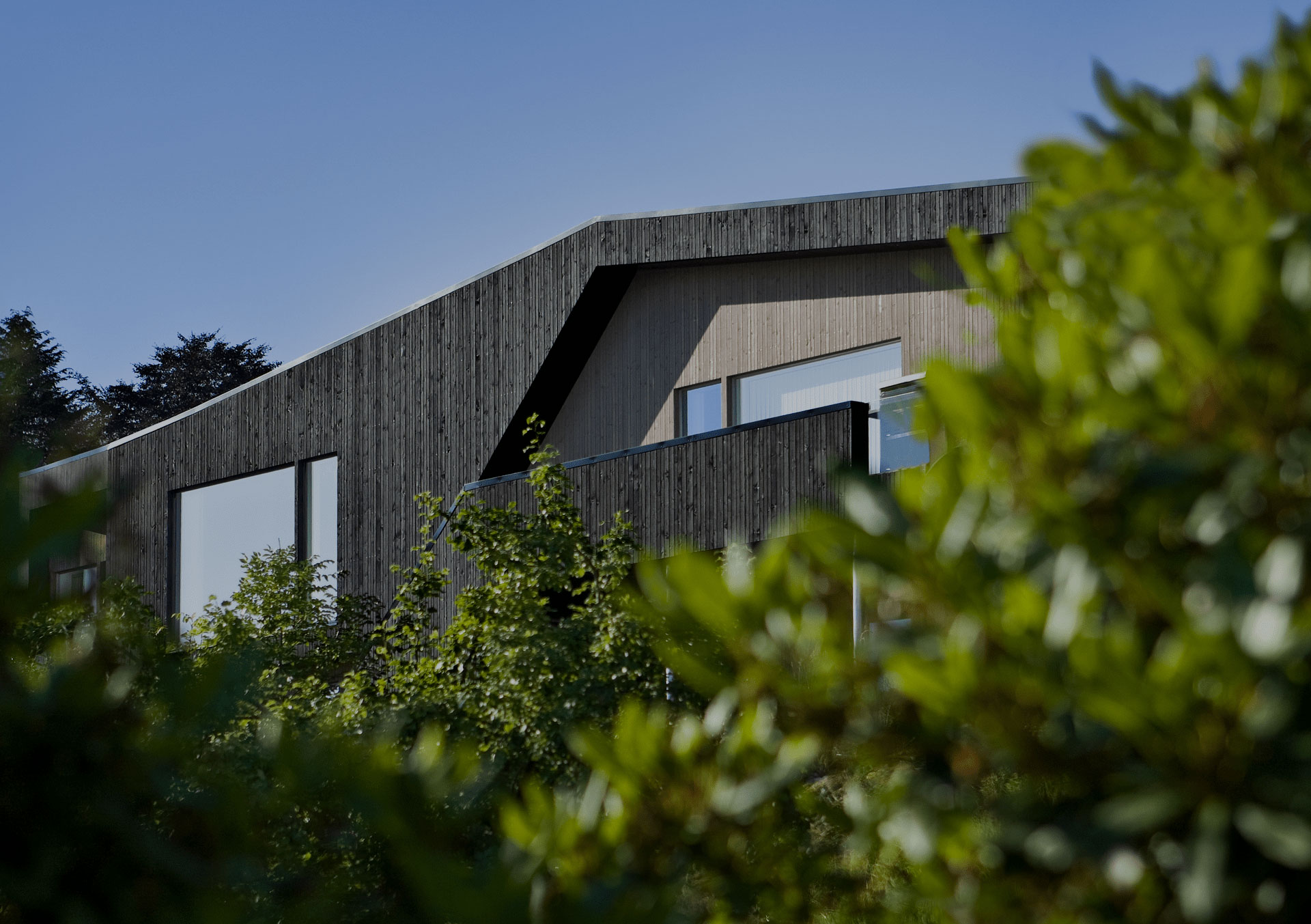
Introduction to Superwood
Superwood, a groundbreaking material in modern construction, is gaining significant attention for its sustainable and high-performance qualities. Developed through advanced technology, this innovative wood alternative boasts enhanced durability and lightweight properties, making it an attractive option for architects and builders. As the construction industry increasingly prioritizes eco-friendly solutions, superwood emerges as a vital component in addressing environmental challenges while meeting the demand for robust building materials.
What is Superwood?
Superwood is created by artificially altering the properties of natural wood through a process that involves chemical treatments and heating. This process not only increases the material’s strength but also enhances its resistance to moisture, pests, and decay. Researchers from the University of Maryland initially unveiled this technology in 2015, and since then, numerous studies have pointed to its potential benefits in various applications. According to updates from the university, superwood can be produced from common timber species like poplar and pine, making it a cost-effective and sustainable option.
Applications and Benefits
The adaptable nature of superwood lends itself to various uses in the construction sector. Architects are increasingly incorporating superwood into structures ranging from commercial buildings to furniture, thanks to its aesthetic appeal and flexibility. Moreover, its lightweight nature reduces energy costs associated with transportation and installation. To date, companies globally are experimenting with superwood for applications such as moisture-resistant coatings and insulation, showcasing its versatility.
Environmental Impact
One of the most significant advantages of superwood lies in its environmental sustainability. Traditional wood harvesting contributes to deforestation and ecological imbalances; however, superwood provides an alternative that utilizes fast-growing tree species, significantly reducing the strain on forests. By increasing the lifespan and durability of wood products, superwood may lead to lower rates of consumption over time. Reports indicate that the widespread adoption of superwood could reduce carbon emissions in the building industry by up to 50 percent.
Conclusion
As discussions around climate change and sustainable practices grow more urgent, materials like superwood play a crucial role in shaping the future of construction. Its unique combination of strength, resilience, and ecological benefits makes it a compelling choice for those in the building industry. Looking ahead, continued research and development in superwood technology are expected to further enhance its properties and applications. For consumers and builders alike, keeping an eye on superwood may reveal new opportunities to create environmentally-friendly spaces that redefine standards in architecture.