Introduction
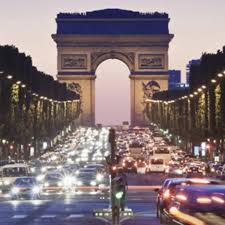
The Champs-Élysées, often dubbed “the most beautiful avenue in the world,” is not just an iconic landmark of Paris; it plays a significant role in the city’s cultural identity and tourism industry. Stretching approximately 1.9 kilometers from the Place de la Concorde to the Arc de Triomphe, this avenue attracts millions of visitors each year, serving as a hub for shopping, dining, and historic events. Recent developments on the Champs-Élysées highlight its significance and ongoing evolution in the face of modern challenges.
Recent Developments
In early 2023, Paris officials announced an ambitious plan aimed at transforming the Champs-Élysées into a greener and more pedestrian-friendly area. This initiative, estimated to cost around €250 million, is part of a broader effort to enhance urban spaces in Paris, particularly ahead of the 2024 Summer Olympics. The project will include new tree plantings, widened sidewalks, and the reduction of car lanes to promote walking and cycling.
Moreover, in line with Paris’s goal of reducing carbon emissions and enhancing public spaces, the project aims to increase biodiversity and improve air quality along this iconic stretch. Local environmental groups have praised the initiative, viewing it as a step towards making the Champs-Élysées a model of sustainable urban development.
Cultural Impact and Future Prospects
The Champs-Élysées is synonymous with luxury; home to flagship stores of renowned brands such as Louis Vuitton, Cartier, and Chanel, it also hosts numerous cafes, theaters, and cinemas. This avenue has witnessed significant cultural events, from military parades to celebrations and climactic events coinciding with major global occurrences.
As Paris prepares for its role as an Olympic host city, the revitalization of the Champs-Élysées is crucial. The Paris 2024 Olympic Games are expected to attract millions of international visitors, and the avenue will likely serve as a central location for festivities and public gatherings. This transformation not only addresses the aesthetic and functional aspects of the avenue but also emphasizes inclusivity, ensuring that all Parisians and visitors can enjoy this historic site.
Conclusion
The Champs-Élysées remains a symbol of Parisian culture, history, and luxury. As it undergoes these transformative changes, the avenue’s ability to adapt to modern urban needs while preserving its unique charm will be a topic of keen interest among citizens and tourists alike. The ongoing reforms signify a commitment to sustainability and accessibility, reflecting broader urban trends that many cities are now embracing. For visitors, the Champs-Élysées will undoubtedly continue to be a must-visit destination, offering an experience intertwined with the rich tapestry of Parisian life.