Introduction
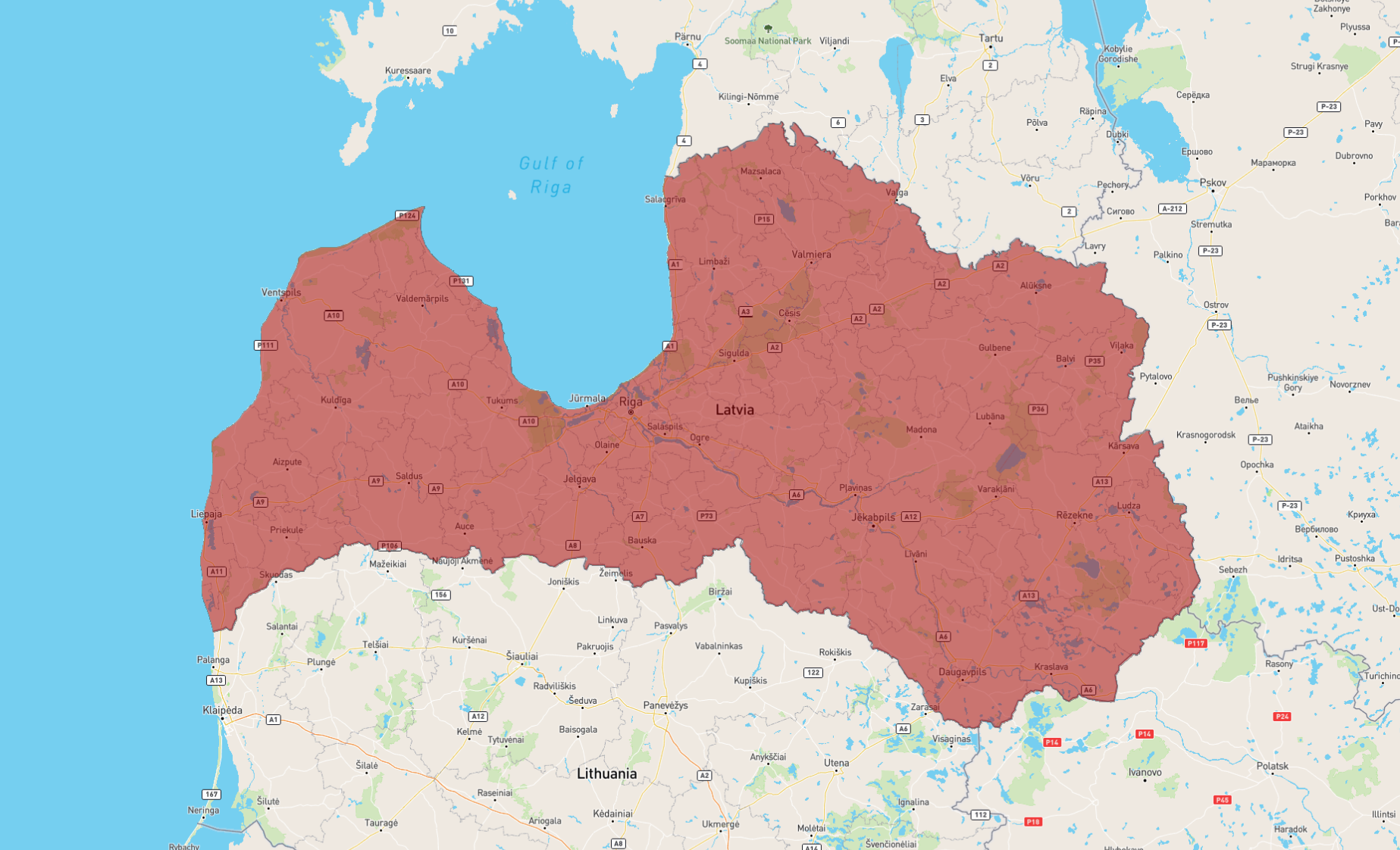
Latvia, a small yet vibrant Baltic nation, is known for its stunning landscapes, rich cultural heritage, and historical significance. Situated at the crossroads of Northern and Eastern Europe, Latvia boasts a unique blend of influences from its neighboring countries. With a population of approximately 1.9 million people, it has become a popular destination for tourists and history enthusiasts alike. Understanding Latvia’s geography and multifaceted culture is essential for anyone interested in exploring the Baltic region.
Cultural Heritage
Latvia is home to an array of cultural influences, primarily drawn from its history of independence and foreign rule. The country has historically been influenced by German, Swedish, Polish, and Russian cultures. This blend is evident in Latvian architecture, music, and cuisine. Rīga, the capital city, features a UNESCO World Heritage Site, filled with stunning Art Nouveau architecture and medieval buildings. The annual Song and Dance Festival, a symbol of national identity, showcases Latvia’s rich musical traditions and unity.
Geography and Natural Wonders
Geographically, Latvia is characterized by its lush forests, picturesque countryside, and beautiful coastline along the Baltic Sea. The country comprises several regions, including Kurzeme, Zemgale, Vidzeme, and Latgale, each with its unique landscapes and cultural traditions. The Gauja National Park and the pristine beaches of Jūrmala are examples of Latvia’s breathtaking natural beauty that attract visitors for hiking, swimming, and relaxation. The country is also known for its diverse wildlife, including European bison and various bird species.
Current Events and Significance
Recently, Latvia has been in the spotlight for its proactive approach towards digital transformation and sustainability. The government has launched initiatives to promote innovation and tech startups, positioning Latvia as a digital hub in the Baltic region. Additionally, Latvia’s commitment to renewable energy and environmental protection highlights its role in addressing climate change, making it a model for other countries in the region.
Conclusion
In conclusion, Latvia stands out as a country with a rich cultural tapestry and stunning natural beauty. Its historical significance and modern developments make it a fascinating destination for travelers and an important player in the Baltic region. As Latvia continues to embrace technology and sustainability, it paves the way for future growth and a stronger connection within Europe. Understanding Latvia’s charm and significance is essential for anyone looking to explore the depths of this Baltic gem.