Introduction
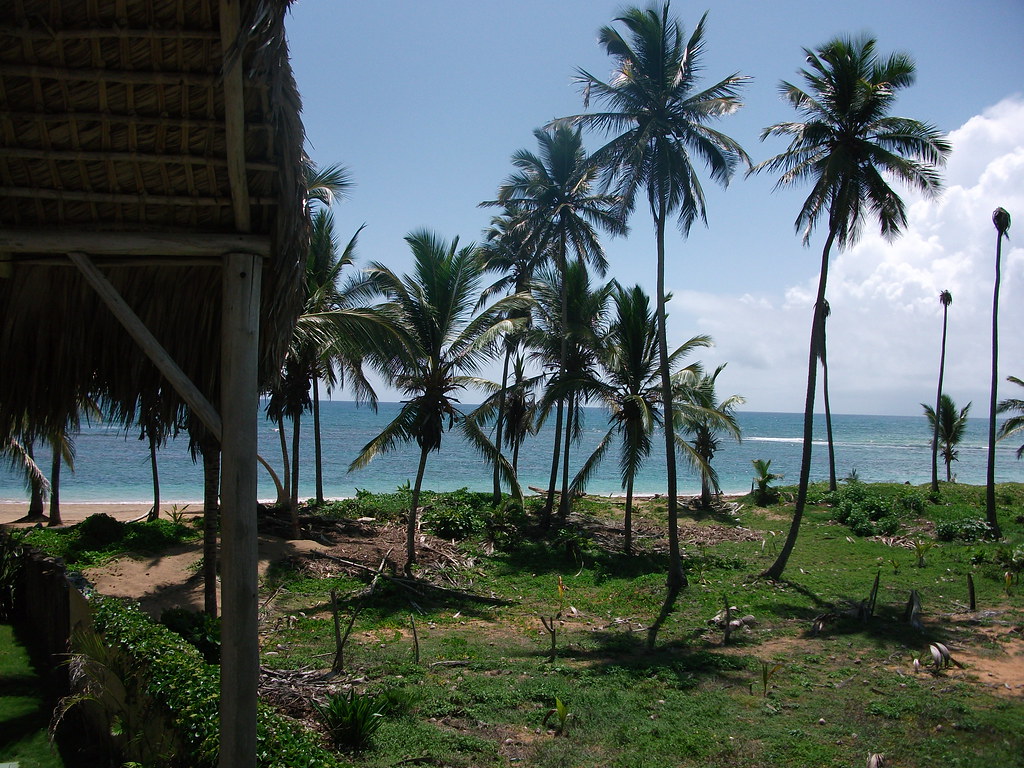
The Dominican Republic, situated on the beautiful island of Hispaniola, has become an increasingly popular destination for travelers, especially in the wake of the resumption of international travel post-pandemic. Its stunning landscapes, picturesque beaches, and rich cultural heritage make it an alluring spot for both tourists and investors alike. Recognizing its growing significance in both tourism and economics is crucial for understanding the Caribbean region’s development.
Current Events and Developments
In recent weeks, the Dominican Republic has reported a surge in tourists, reaching pre-pandemic levels. According to the Central Bank of the Dominican Republic, the tourism sector saw a 20% increase in arrivals in August 2023 compared to the previous year, driven by promotional campaigns targeting various international markets, including North America and Europe. Major resorts, especially in Punta Cana, have noted full booking rates, signaling a strong rebound and confidence from travelers.
The government has also launched initiatives to improve safety and infrastructure, which have played a key role in attracting visitors. A cooperation agreement with international agencies was established to enhance the safety of tourists, ensuring a secure environment for exploration and leisure.
Cultural Impact
The culture of the Dominican Republic is a vibrant blend of Taino, African, and Spanish influences, reflected in its music, dance, and culinary traditions. The annual Merengue Festival, celebrated every July in Santo Domingo, draws thousands of visitors who come to experience the local art, food, and festive spirit. This cultural richness not only enhances tourism but also fosters local pride and contributes to the nation’s identity.
Economic Significance
The economy of the Dominican Republic heavily relies on the tourism sector, which accounts for around 17% of the country’s GDP. The revitalization of the tourism industry post-COVID is vital for job creation and economic sustainability. The government is actively working on improving policies to boost investments in tourism and related sectors, further underscoring the importance of this industry for the nation’s economic framework.
Conclusion
The Dominican Republic stands at a crossroads, with its tourism sector showing promising signs of recovery and growth. As travelers increasingly seek new experiences, the nation’s diverse offerings make it a unique destination. Looking ahead, continued investment in infrastructure and a focus on cultural preservation will be crucial for maintaining its appeal and ensuring sustainability. For potential travelers and investors, the Dominican Republic represents not only a picturesque getaway but also an emerging economic frontier.