Introduction
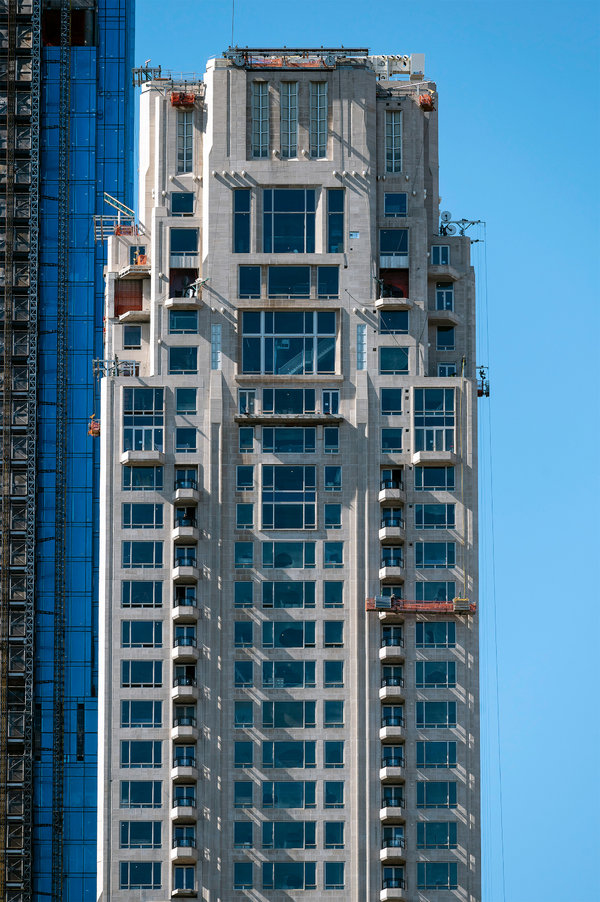
Hudson Yards, a massive redevelopment project in New York City, represents one of the most significant urban transformations in recent history. Located on the west side of Manhattan, this integrated complex combines residential, commercial, and public spaces, exemplifying modern urban design. The importance of Hudson Yards lies not only in its architectural innovation and economic impact but also in how it reshapes the way New Yorkers and visitors experience the city.
Overview of Hudson Yards
Officially opened in March 2019, Hudson Yards spans over 28 acres and features more than 18 million square feet of space. The development includes luxury retail stores, unique dining experiences, office spaces, and residential buildings. A centerpiece of this area is The Vessel, a honeycomb-like structure that offers panoramic views of the city skyline, and the High Line, an elevated park that runs alongside the development, providing a green space amidst the urban environment.
Economic Impact
Hudson Yards has played a pivotal role in New York City’s economy since its inception. According to a report from the New York City Economic Development Corporation, the project is projected to generate billions in tax revenue and create thousands of jobs. The development has attracted several major corporations and startups, including the likes of Google and WarnerMedia, indicating a shift in how businesses are approaching urban spaces.
Community and Cultural Significance
The developers of Hudson Yards aimed not only to create a commercial hub but also to foster community engagement. Public art installations, cultural programming, and events ensure that the space is accessible and inviting to all. Hudson Yards also includes over an acre of public plazas and gardens, encouraging residents and visitors to interact with and benefit from the area.
Challenges and Criticisms
Despite its successes, Hudson Yards has faced scrutiny for its perceived elitism and the high-profile nature of its developments. Critics argue that the luxury focus may alienate lower-income residents and that the area lacks affordable housing options. In response, developers and city officials have pledged to include more community-oriented initiatives and affordable housing plans in future phases of the project.
Conclusion
As Hudson Yards continues to develop and evolve, its implications for New York City and urban development at large will remain significant. Balancing luxury and accessibility, fostering community engagement while driving economic growth, Hudson Yards stands as a case study for future urban projects. The success and challenges of Hudson Yards will be closely watched by urban planners and city dwellers alike as they navigate the complexities of modern city living.