Introduction
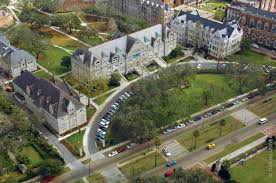
Tulane University, located in New Orleans, Louisiana, is one of the leading research universities in the United States. Established in 1834, it combines a rich historical legacy with a commitment to academic excellence and social responsibility. The university’s relevance extends beyond its academic offerings; it plays a pivotal role in the cultural and economic vibrancy of New Orleans. Understanding Tulane means recognizing its contributions to research, education, and the surrounding community.
Academic Excellence and Research
Tulane is recognized for its strong emphasis on research across diverse disciplines. With a student-faculty ratio of 9:1, students benefit from small class sizes and personalized attention from faculty. Recent initiatives have bolstered its research capabilities, particularly in fields such as public health, social science, and environmental studies. For instance, the Tulane Center for Bioenvironmental Research focuses on addressing environmental challenges in the Gulf South, exemplifying the university’s commitment to impactful research.
In 2023, Tulane launched several new interdisciplinary programs aimed at equipping students with skills necessary for contemporary job markets, including data analytics and health informatics. These programs highlight Tulane’s adaptability and foresight in higher education.
Cultural and Community Engagement
Beyond academics, Tulane is deeply integrated into the fabric of New Orleans. Through its various outreach initiatives, the university promotes community engagement and service. Notably, the Tulane Center for Public Service fosters partnerships between the university and local organizations, encouraging students to participate in community service projects. This effort has not only enriched student experiences but has also contributed significantly to local development.
Looking Ahead
As Tulane University continues to grow, it faces the challenge of balancing innovation with tradition. With an increasing number of applicants—recently reported at approximately 30,000 for the 2023 academic year—the university must adapt its infrastructure and resources to accommodate this demand while maintaining its high standards of education. The commitment to a holistic educational approach is crucial in preparing students for the complexities of the workforce.
Conclusion
Tulane University represents a unique blend of rich history, academic rigor, and profound community involvement. As it navigates the evolving landscape of higher education, its role in promoting research and cultural engagement remains vital. For prospective students, funding partners, and community leaders, Tulane stands as a beacon of educational and social progress in the South.