Introduction
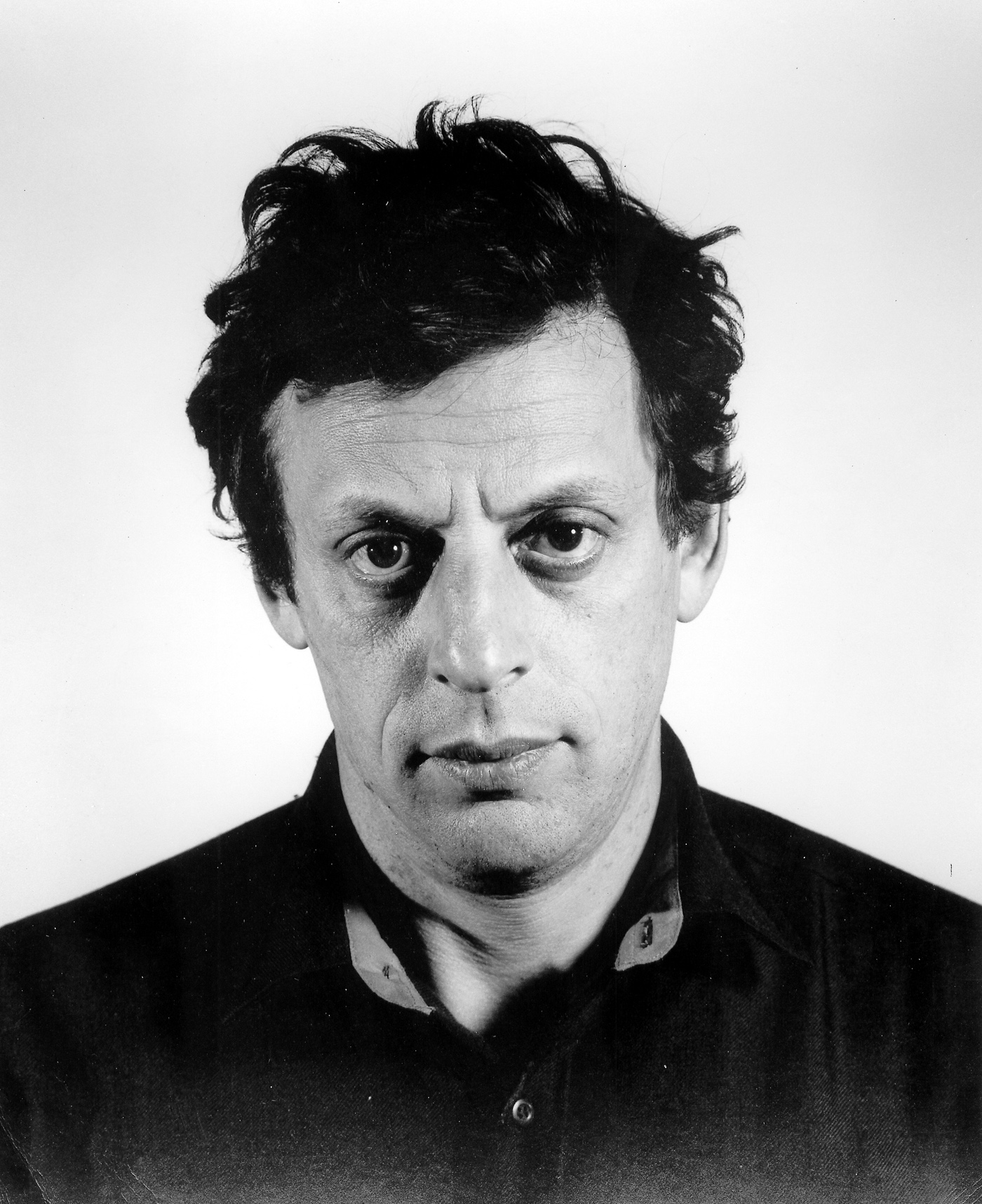
Philip Glass, one of the most influential composers of the 20th and 21st centuries, has redefined the landscape of contemporary classical music. Born on January 31, 1937, in Baltimore, Maryland, Glass’s work transcends conventional boundaries, incorporating minimalism and avant-garde elements that resonate with audiences worldwide. His compositions have not only won numerous prestigious awards but have also made significant impacts across various cultural sectors, including film, theater, and opera. As Glass continues to create and innovate, his relevance remains unquestionable in the evolving music scene.
Main Contributions
Glass’s pioneering approach to music is characterized by repetitive structures and intricate patterns, which lead to hypnotic and immersive experiences for listeners. He emerged as a key figure of the minimalist movement in the 1960s alongside contemporaries like Steve Reich and Terry Riley. His seminal works such as *Einstein on the Beach*, a groundbreaking opera that showcased non-traditional narrative forms, catapulted him into the international spotlight.
His collaborations with renowned filmmakers have further cemented his status in the music world. Notable scores for films like *Koyaanisqatsi* (1982) and *The Hours* (2002) showcase his ability to enhance visual storytelling through innovative soundscapes. The score for *The Hours* earned him an Academy Award nomination, reflecting his crossover appeal and versatility as a composer.
In recent years, Glass has continued to innovate, most notably in collaborations with a variety of artists including choreographers and visual artists. His 2019 orchestral work *The Perfect American* reflects his ongoing exploration of complex themes through music, delving into the life of Walt Disney and the nature of creativity itself. Furthermore, his concert works and chamber pieces remain a staple in modern music performance, continuing to be performed by orchestras worldwide.
Conclusion
The significance of Philip Glass’s work cannot be overstated; he has transformed the classical genre and broadened its appeal to contemporary audiences. His contributions have inspired countless composers and musicians while opening the doors for genres such as cinematic scores. As the music landscape evolves, Philip Glass will undoubtedly remain a pivotal figure, continually challenging and redefining our understanding of music’s potential. With upcoming projects and a legacy of innovation, fans and music enthusiasts alike eagerly anticipate what this visionary composer will present next.