Introduction
Released in 1971, ‘Harold and Maude’ has cemented its place as an influential cult classic in cinema history. The film, directed by Hal Ashby, defies traditional romantic storytelling, presenting an unconventional relationship between a young man obsessed with death and a spirited elderly woman. Its themes of love, life, and the acceptance of mortality resonate deeply, making it relevant even over five decades after its release.
The Plot and Themes
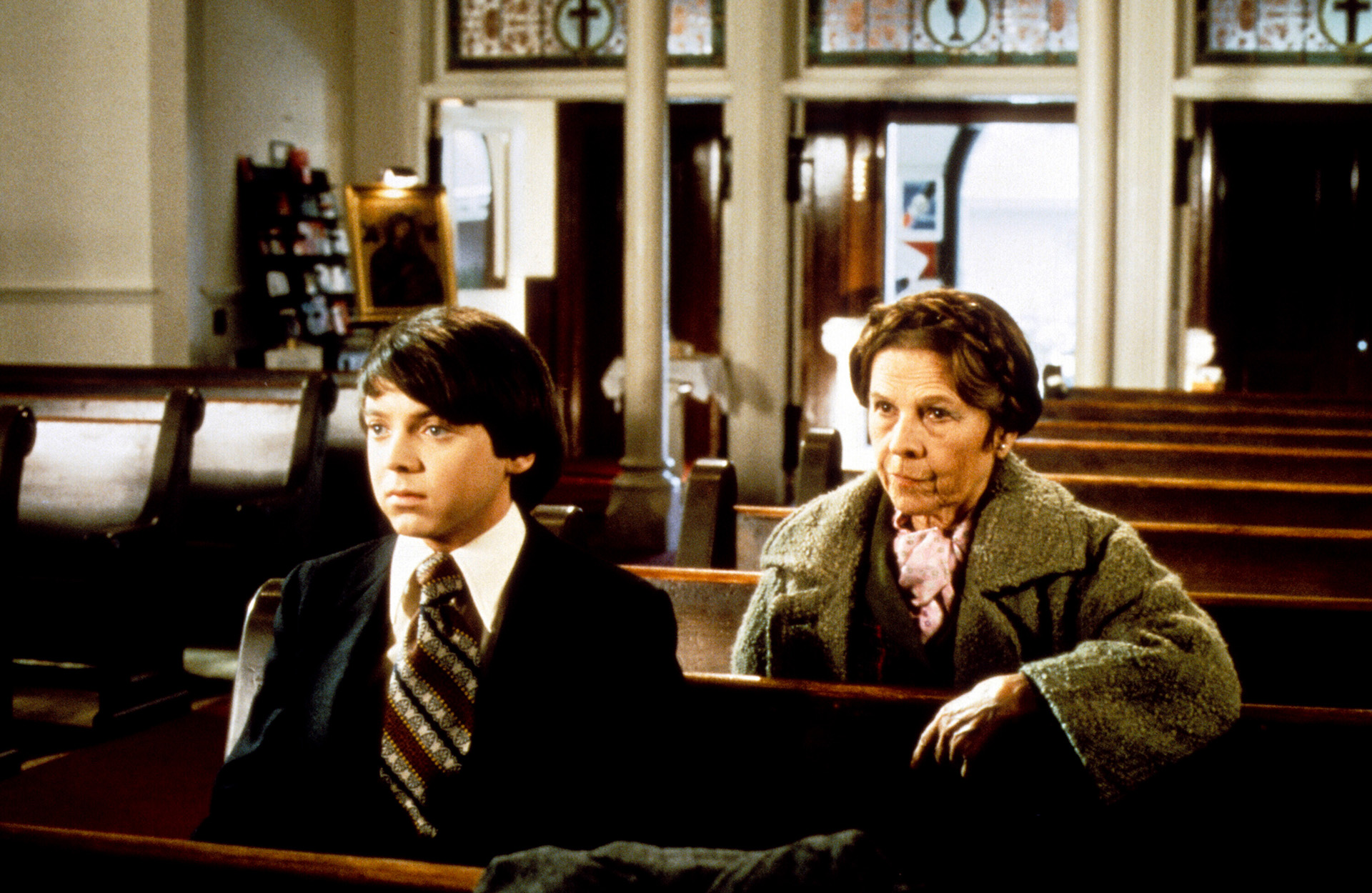
‘Harold and Maude’ follows Harold Chasen, a wealthy young man played by Bud Cort, as he engages in a series of morbid hobbies designed to shock his emotionally distant mother. His life takes an unexpected turn when he meets Maude, portrayed by Ruth Gordon, at a funeral. Maude’s vibrant outlook on life deeply contrasts Harold’s darker disposition and ultimately draws him into a journey of self-discovery and love.
The film addresses several important themes, such as the nature of life and death, societal expectations, and the idea of finding joy in the most unlikely places. The relationship between Harold and Maude challenges societal norms, advocating for a celebration of individuality and the embrace of life’s fleeting moments.
Cultural Impact
‘Harold and Maude’ initially garnered mixed reviews but has since gained a devoted fan base and is often cited as a vital figure in the counterculture movement of the 1970s. The film made a significant impact on pop culture, influencing generations of filmmakers and artists. Its unique blend of dark humor and poignant moments has made it an enduring topic in discussions about cinema, art, and the human experience.
The film’s score, composed by Cat Stevens, plays an integral role in establishing its emotional depth and adds to its iconic status. Songs such as “If You Want to Sing Out, Sing Out” and “Trouble” find their way into the narrative, enhancing the representation of the characters’ emotional journeys.
Conclusion
Today, ‘Harold and Maude’ continues to resonate with audiences, often viewed through a contemporary lens that appreciates its subversive qualities. Its message about the acceptance of life in all its forms remains significant, encouraging both reflection and conversation. As we navigate complex societal norms and expectations in our own lives, ‘Harold and Maude’ serves as a reminder of the importance of embracing individuality, love, and the inevitability of change. The film’s legacy will likely endure, inspiring future generations to explore its charming blend of the macabre and the joyous.