Introduction
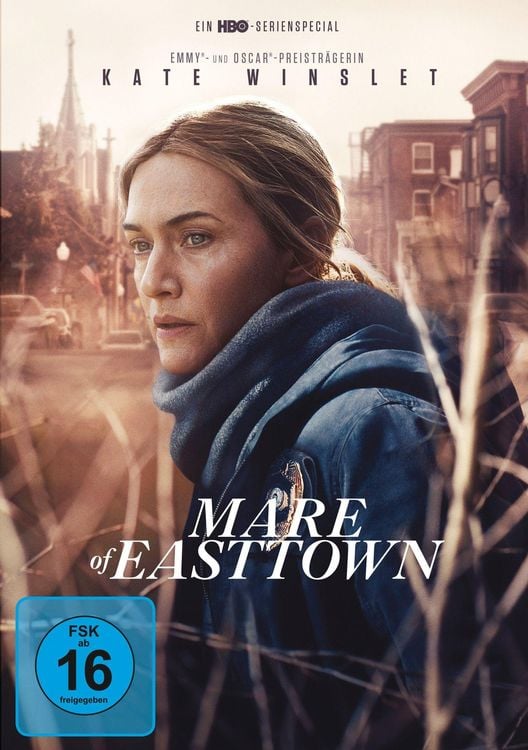
Mare of Easttown, HBO’s critically acclaimed limited series, premiered in April 2021 and quickly became a cultural phenomenon. Starring Kate Winslet as the titular character Mare Sheehan, a small-town detective in Pennsylvania, the series garnered significant attention for its raw portrayal of crime, grief, and community dynamics. With its compelling narrative and rich character development, Mare of Easttown has not only entertained millions but also sparked discussions on societal issues such as mental health, addiction, and the complexities of female relationships.
Plot Overview and Reception
The story revolves around Mare as she investigates a local murder while grappling with her personal struggles, including family issues and a failed marriage. The show’s authenticity stems from its intricate storytelling, representative casting, and a realistic depiction of life in a small town. Critics praised Winslet’s performance, calling it one of her best, while the series itself received numerous awards, including Emmys and Golden Globes.
With a 95% approval rating on Rotten Tomatoes and high viewership numbers, Mare of Easttown was regarded not only as a crime thriller but also as a poignant character study. Its success reflects the audience’s growing preference for shows that delve deep into emotional and psychological themes rather than simply focusing on plot twists and suspense.
Impact on Television and Culture
The impact of Mare of Easttown on television and culture has been significant. The show’s exploration of complex female characters resonates in an era where stories centered on women’s experiences are gaining prominence. It also raises critical discussions around issues like trauma and societal pressures in contemporary America. Furthermore, the series highlights the importance of community ties and the strength it can provide in the face of adversity.
This series has also prompted a resurgence in interest for similar genre shows, influencing networks to invest in more character-driven narratives that emphasize emotional depth over mere entertainment value.
Conclusion
Mare of Easttown represents both a turning point in television storytelling and a mirror reflecting the challenges faced by individuals in today’s society. Its compelling narrative and rich characterization collectively create a powerful viewing experience that resonates with audiences. As viewers continue to seek out stories that connect deeply with human experiences, the legacy of Mare of Easttown will likely inspire the next wave of impactful television narratives, reinforcing the importance of authenticity in storytelling.