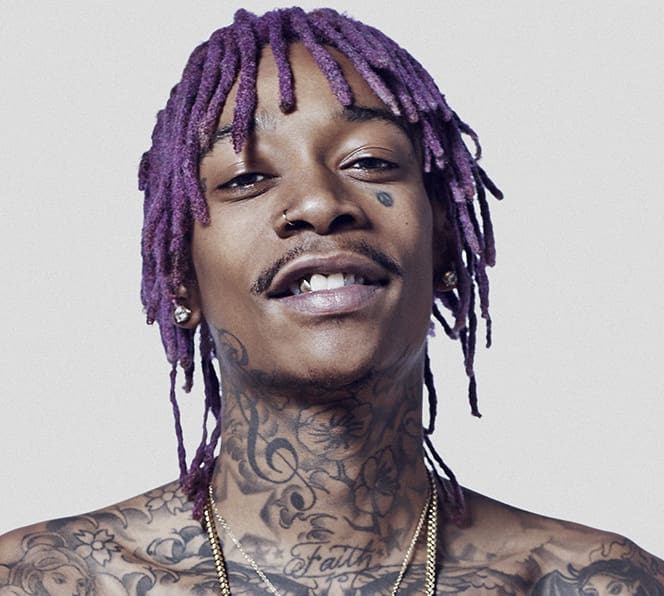
The Significance of Wiz Khalifa
Wiz Khalifa, born Cameron Jibril Thomaz on September 8, 1987, in Minot, North Dakota, has become one of the most influential figures in hip hop and pop culture. As a multi-talented artist, Khalifa’s music resonates with a diverse audience, reflecting themes of personal experience, love, and celebration. His journey is a testament to the evolving nature of music and the broader cultural conversations surrounding it.
Career Highlights
Khalifa rose to prominence with his hit single ‘See You Again,’ featuring Charlie Puth. Released in 2015, the track became an anthem of remembrance and resilience, paying tribute to the late actor Paul Walker, and has since amassed over 5 billion views on YouTube. This collaboration not only secured Khalifa’s place in mainstream music but also showcased his ability to blend rap with pop sensibilities.
Additionally, his debut studio album, ‘Rolling Papers,’ released in 2011, was pivotal in establishing him within the hip-hop community. The album featured singles like ‘Black and Yellow,’ which became an unofficial anthem for the Pittsburgh Steelers, further solidifying Khalifa’s hometown pride and his command over regional rap.
Recent Developments
In recent months, Wiz Khalifa has continued to innovate and grow his brand beyond music. He has ventured into the cannabis industry, a field he is strongly associated with due to his public persona and lifestyle. In 2022, he launched a cannabis product line named Khalifa Kush, which has garnered significant attention and sales, reflecting the growing market for cannabis-based products across the United States.
Moreover, Khalifa maintains a strong social media presence, amassing millions of followers across platforms like Instagram and Twitter, where he shares glimpses of his life, upcoming projects, and musical collaborations. His influence extends into fashion, promoting a laid-back style that resonates with fans globally.
Conclusion: The Lasting Impact of Wiz Khalifa
Wiz Khalifa has not only shaped the sound of modern hip hop but has also carved a cultural niche that celebrates individuality, creativity, and the joy of life. As the music industry continues to evolve, Khalifa’s ability to adapt and engage with his audience suggests that his relevance will endure. Future collaborations, musical endeavors, and brand expansions may very well redefine his legacy in the years to come, making him a significant figure to watch in both music and entrepreneurship.