Introduction
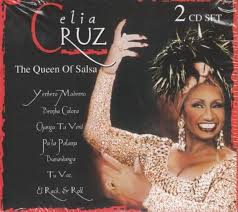
Celia Cruz, known as the Queen of Salsa, remains one of the most influential and celebrated figures in Latin music history. Born on October 21, 1925, in Havana, Cuba, Cruz’s vibrant career spanned over five decades, during which she became a household name and cultural icon. Her unique style, powerful voice, and charismatic stage presence made her a pioneer of salsa music, bridging gaps between generations and influencing countless artists worldwide.
Life and Early Career
Cruz grew up in a modest household and showed an early interest in music—singing in church and participating in school events. After studying at the National Conservatory of Music in Havana, she began her professional career in the 1940s, joining the popular Cuban big band, Sonora Matancera. Her time there helped propel her to stardom, establishing her as a versatile artist who captivated audiences with her energetic performances. It was during this period that she recorded her first hit, “Bemba Colorá,” which showcased her unique vocal abilities.
Breaking Barriers and Achievements
Following the Cuban Revolution in 1959, Cruz emigrated to the United States, where she faced numerous challenges as a Cuban artist. Undeterred, she embraced her identity and continued to gain popularity, performing with numerous bands, including the Fania All-Stars, which was crucial in popularizing salsa in the 1970s. Cruz’s distinctive style combined Afro-Cuban rhythms with jazz elements, allowing her to transcend cultural barriers and appeal to diverse audiences.
Throughout her illustrious career, Cruz won numerous awards, including several Grammy Awards and Latin Grammy Awards, solidifying her status as a musical legend. Her songs, such as “La Vida Es Un Carnaval” and “Guantanamera,” are considered classics and continue to resonate with listeners around the globe.
Legacy and Cultural Impact
Celia Cruz’s impact extends beyond her music, as she became a symbol of Cuban culture and pride. Her contributions to the genre of salsa went hand in hand with her advocacy for artists’ rights. Cruz was known for her vibrant costumes and infectious smile, making her a beloved figure in the entertainment industry. Even after her death in 2003, her influence endures, inspiring a new generation of musicians and audiences alike.
Conclusion
The legacy of Celia Cruz is a testament to the power of music to unite people across cultures. As the Queen of Salsa, she not only gave voice to her experiences as a Cuban exile but also pioneered a musical genre that continues to thrive today. Her story reminds us of the importance of embracing one’s heritage and the lasting impact that artists can have on society. As we celebrate her contributions, we look towards the future, hoping that her spirit lives on in the music of today.