Introduction
Since its release in 2003, Quentin Tarantino’s ‘Kill Bill’ has made a significant impact on the cinematic landscape. Comprised of two volumes, the film stands as a blend of martial arts, Westerns, and samurai genres, showcasing Tarantino’s unique storytelling and directorial style. Its importance lies not only in its aesthetic innovations and compelling narrative but also in how it challenged traditional gender roles in action films through a strong female protagonist. As we delve into the film’s legacy, we can see why ‘Kill Bill’ has remained relevant and influential in the landscape of modern cinema.
Film Synopsis and Themes
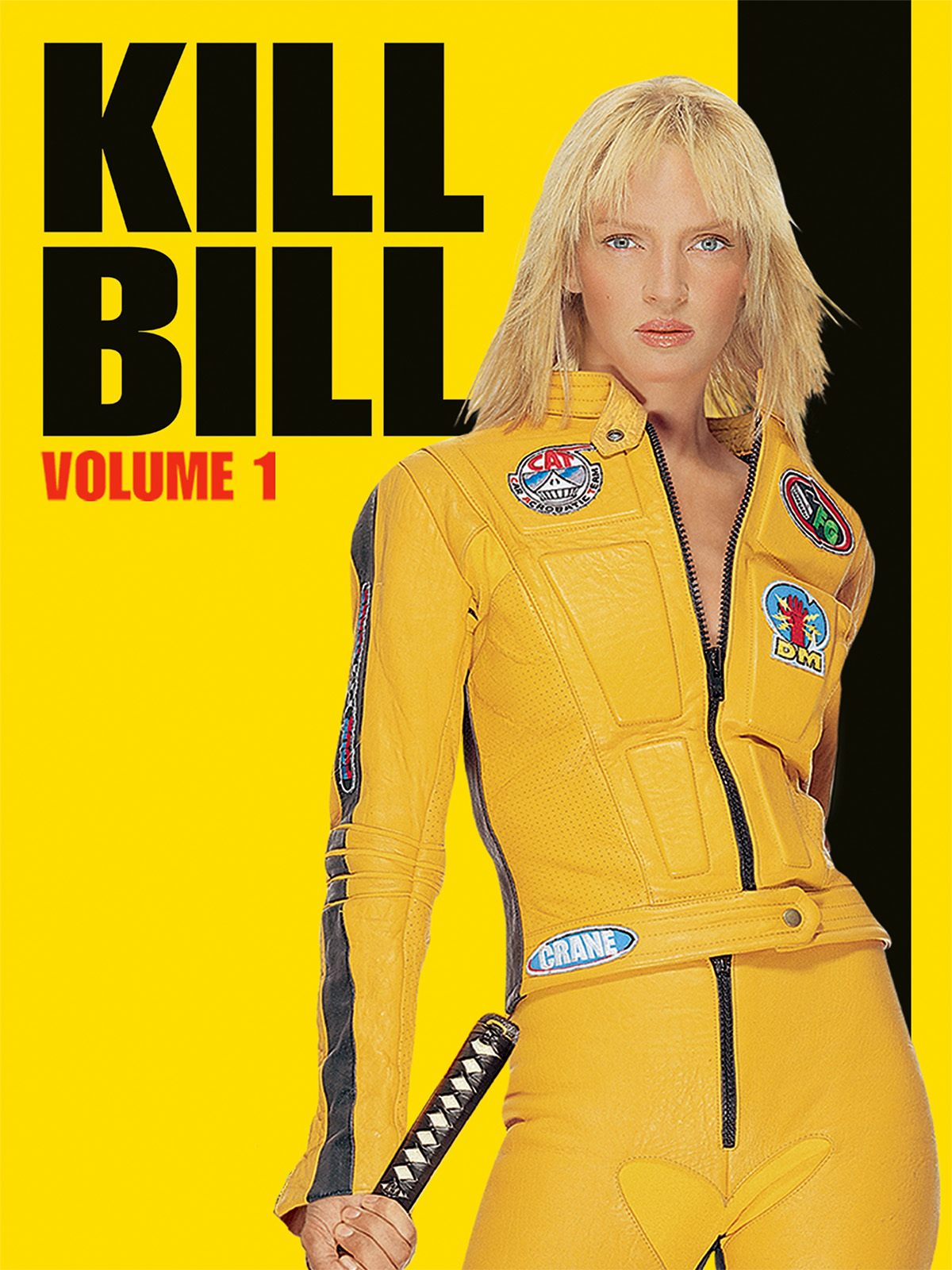
‘Kill Bill’ follows the journey of Beatrix Kiddo, also known as ‘The Bride,’ who seeks vengeance against a group of assassins who betrayed her. The film is rich in themes such as revenge, female empowerment, and the consequences of violence. From iconic sword fights to vivid cinematography, Tarantino crafted a visual and auditory experience that resonated with audiences worldwide. The film’s stylistic homage to various cinematic styles, including Japanese anime and classic kung fu films, played a crucial role in its success, influencing filmmakers and audiences alike.
Cultural Impact and Legacy
The release of ‘Kill Bill’ sparked not only discussions about its cinematic techniques but also its portrayal of women in action roles. Uma Thurman’s role as The Bride became a symbol of strength, complexity, and resilience, paving the way for future female characters in action genres. Additionally, the film’s iconic scenes and quotable lines have ingrained themselves into pop culture, inspiring countless references in other media. The soundtrack, featuring an eclectic mix of styles, also garnered attention, enhancing the film’s distinctive atmosphere.
Current Relevance and Future Prospects
With ongoing discussions about female representation in film and the resurgence of action franchises, ‘Kill Bill’ remains a touchstone in conversations about cinematic evolution. Tarantino’s exploration of gender roles continues to inspire new filmmakers who aim to break traditional molds, resulting in a renaissance of dynamic characters across genres. As Tarantino hints at potential follow-ups in the ‘Kill Bill’ universe, fans eagerly await how these narratives will evolve, and if ‘Kill Bill’ will continue to resonate with generations to come.
Conclusion
In conclusion, ‘Kill Bill’ stands as more than just a film; it is a cultural phenomenon that challenged norms and reshaped the action genre. As we move forward, its themes of vengeance, empowerment, and stylistic boldness keep it relevant in contemporary discussions about film. Whether through current debates in cinema or the potential for future installments, the significance of ‘Kill Bill’ is likely to endure, inspiring future generations of filmmakers and audiences alike.