Introduction
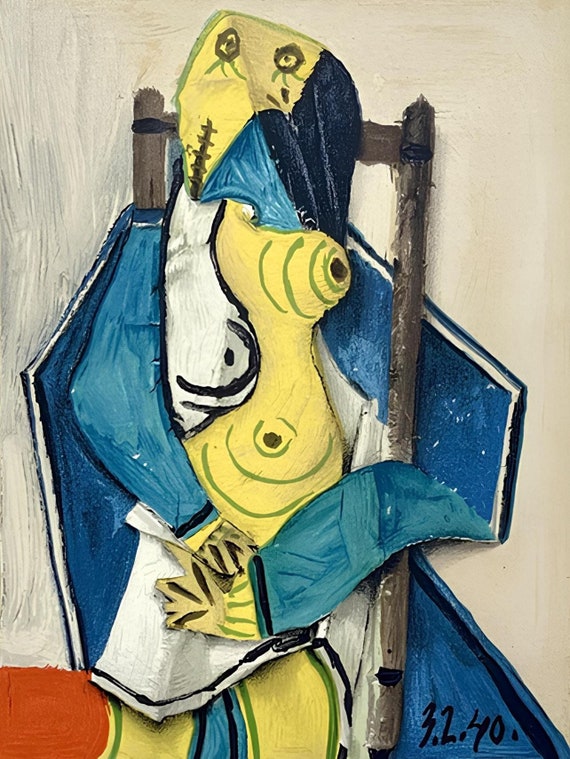
Pablo Picasso, born on October 25, 1881, is recognized as one of the most influential artists of the 20th century. His innovative approach to painting and sculpture not only redefined artistic practices but also established new perspectives on how art should be perceived and appreciated. As we examine his legacy, it’s essential to consider how his contributions have shaped modern art and continue to resonate in today’s cultural landscape.
Early Life and Artistic Development
Picasso was born in Málaga, Spain, and displayed artistic talent from a young age. He moved to Barcelona, where he became involved with the city’s thriving artistic community. His early works were heavily influenced by the Symbolist movement, but he later pioneered the Cubist movement alongside Georges Braque, which shattered conventional perspectives in art. Works like “Les Demoiselles d’Avignon” and “Violin and Candlestick” exemplified this new style, offering fragmented forms and multiple viewpoints.
Innovative Styles and Movements
Throughout his prolific career, Picasso experimented with various styles and techniques. From the Rose Period characterized by warm colors to the renowned Blue Period in which he depicted themes of poverty and despair, each phase represented a distinct emotional landscape. In addition, he was a co-founder of the Surrealist movement, further expanding the boundaries of art. Picasso’s works transcended mere representation; they challenged viewers to engage with deeper narratives and meanings.
Recent Exhibitions and Cultural Impact
In recent years, museums around the world have celebrated Picasso’s legacy through various exhibitions. The Musée Picasso in Paris showcases thousands of works, emphasizing his vast range and creative genius. Notably, the Picasso exhibition at the Tate Modern in London attracted record-breaking attendance, signifying continuing public interest in his life and art. Moreover, recent discussions around the significance of decolonizing art history have foregrounded Picasso’s role in the broader context of Western art narratives.
Conclusion
As we reflect on Picasso’s enduring legacy, it’s clear that his influence on art goes beyond technical innovation; he incited a cultural shift that encouraged emotional depth, experimentation, and a challenge to the status quo. His works remain a pivotal part of art education and appreciation, inviting modern audiences to explore themes that are as relevant today as they were a century ago. With ongoing exhibitions and scholarly inquiry into his impact, it is evident that Pablo Picasso will continue to inspire and provoke thought for generations to come.