Introduction
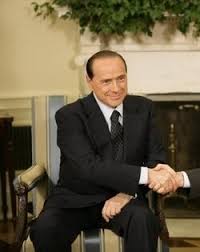
Silvio Berlusconi, a name synonymous with Italian politics and culture, continues to resonate globally due to his extensive and often controversial career. As the former Prime Minister of Italy and a media tycoon, his influence has shaped the nation’s political landscape for decades. Understanding his complex legacy is important, especially in the context of rising populism and media influence in politics around the world.
A Political Titan
Berlusconi served as Prime Minister of Italy in three separate terms from 1994 to 2011. His tenure was marked by significant economic reforms, privatization of state assets, and attempts to modernize Italy’s infrastructure. However, his time in office was equally characterized by political scandal, judicial challenges, and accusations of corruption. In 2013, he was convicted of tax fraud, receiving a four-year prison sentence, which was later reduced.
Media Empire
Beyond politics, Berlusconi made his mark as a media mogul. He founded Mediaset, Italy’s largest media company, which has played a crucial role in shaping Italian television. His ownership and control of multiple media channels granted him considerable influence over public perception and media narratives, sparking debates about media freedom and democracy in Italy.
Recent Events and Impact
In June 2023, the world noted the passing of Berlusconi at the age of 86. His death has ignited discussions reflecting on his influence in Italian society, politics, and the global perception of Italy. Political analysts suggest that his legacy will continue to influence emerging political movements and may serve as a cautionary tale regarding media concentration and political power. Current leaders and parties might either emulate his populist strategies or distance themselves from his controversial approach.
Conclusion
Silvio Berlusconi’s legacy is multifaceted, encompassing both innovative political strategies and significant ethical controversies. As Italy grapples with its political future, Berlusconi’s impact will remain a crucial point of reference. Observers are left to ponder how his methods and networks will continue to shape Italian politics in years to come. Understanding Berlusconi is essential for anyone interested in the interplay between media, politics, and power in a modern democracy.