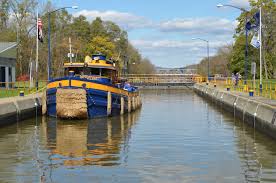
Introduction to the Erie Canal
The Erie Canal, a pivotal waterway in New York State, has played a crucial role in American history since its completion in 1825. Stretching approximately 363 miles from Albany to Buffalo, the canal revolutionized trade and transportation in the early 19th century. Originally conceived as a means to connect the Hudson River with Lake Erie, the canal facilitated the movement of goods and people across the state and ultimately the nation, significantly influencing economic growth. Its ongoing relevance is evident today as it continues to support recreational activities and local economies.
The Historical Importance of the Erie Canal
The Erie Canal was envisioned by Governor DeWitt Clinton and was embraced as a groundbreaking project. Upon its completion, it reduced transportation costs dramatically, which, in turn, encouraged settlement and commerce in Western New York. According to historical records, it transformed New York City into the nation’s premier port by linking it with the Great Lakes, therefore establishing a vital trade route. This significant infrastructure project led to the creation of various towns and industries, further contributing to the economic boom in the region.
Recent Developments and Modern Use
Over the years, the Erie Canal has undergone numerous renovations and updates to remain functional. Recent initiatives have focused on boosting tourism and local recreation. Events such as the annual Canal Fest and various boating opportunities emphasize the canal’s cultural relevance today. In addition to tourism, recent reports indicate that the canal supports recreational activities, from kayaking to cycling along its historic towpaths. Furthermore, the New York State Canal Corporation has highlighted plans for ongoing maintenance and development to maintain the canal’s status as a crucial asset for the state.
Conclusion: Looking Forward
As we move into the future, the Erie Canal remains a testament to the ingenuity of early American engineering and its lasting impact on the economy and culture of New York State. Current efforts not only preserve this historic waterway but also promote its use for tourism and recreation, ensuring that the Erie Canal remains an integral part of New York’s heritage. Its significance is likely to endure, as discussions on sustainability, recreational development, and historical preservation continue. For residents and visitors alike, the Erie Canal remains a living piece of American history, inviting exploration and appreciation.