Introduction
The Obama Presidential Library is not just a repository of the 44th president’s historical documents; it represents a significant cultural milestone for Chicago and the nation. As the first presidential library built in a major urban center in over 20 years, this complex aims to serve as a hub for education, community engagement, and the advancement of civic innovation. Its grand opening is anticipated by millions and showcases the relevance of presidential libraries in preserving democracy and civil rights.
The Development of the Library
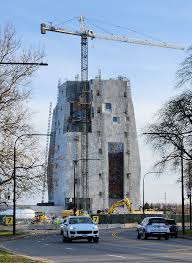
Construction of the Obama Presidential Library began in 2021 in Chicago’s Jackson Park after a long selection process that included expressive community input and contention over its location. Spearheaded by the Obama Foundation, the library will feature a museum, public gardens, and spaces for community gatherings. The design, helmed by the renowned firm Tod Williams Billie Tsien Architects, seeks to blend modern architecture with the historical landscape of the area.
The mission of the library extends beyond mere commemoration of Barack Obama’s presidency. It aims to reflect his administration’s core values — equality, public service, and active civic engagement. Facilities will include resources for educational programs aimed at young people, reflecting Obama’s commitment to nurturing future leaders.
Community Impact and Engagement
The Obama Presidential Library aims to become more than just an archive; it will transform into a community beacon, providing resources for local schools, families, and civic organizations. Plans include workshops, lectures, and capacity-building initiatives aimed at empowering local leaders and instilling a sense of responsibility in citizens.
Furthermore, the library represents an economic boon for the South Side of Chicago, promoting local businesses and increasing tourism to an area historically undervalued. As urban development continues, the library symbolizes hope and resilience, offering an opportunity to rebuild and revitalize a community.
Conclusion
The Obama Presidential Library is poised to become a cornerstone of cultural and educational growth not just for Chicago but for the nation as a whole. As it embraces the power of history to inspire future generations, it reinforces the importance of civic engagement and the role of public spaces in democracy. With its ongoing development and community involvement, the library is set to foster a vibrant dialogue about the past and its implications for the future.