Introduction
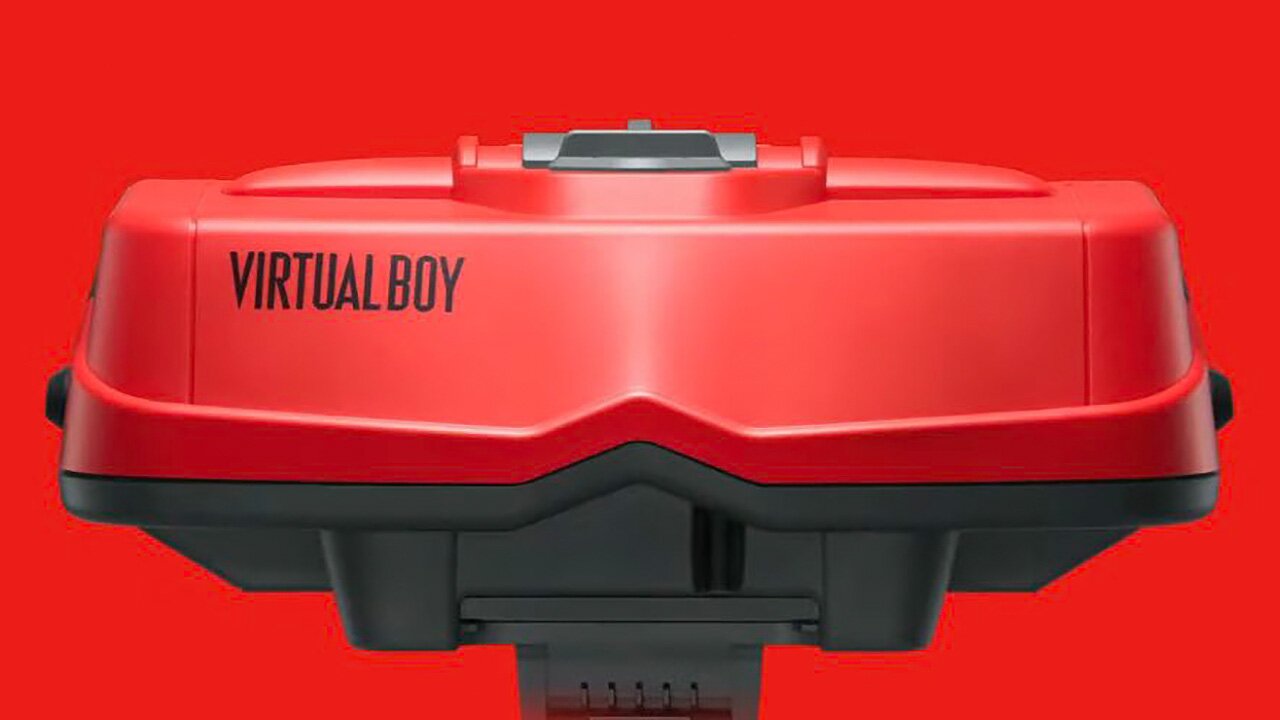
The Virtual Boy, released by Nintendo in 1995, holds a unique place in gaming history as one of the first attempts at 3D gaming in a portable format. Despite its innovative technology, the device struggled to capture the market and became infamous for its shortcomings. Understanding the Virtual Boy’s importance contributes to the evolution of gaming technology and highlights the risks and rewards of innovation in the industry.
The Technology Behind the Virtual Boy
The Virtual Boy featured a stereoscopic 3D display, utilizing parallax technology to create depth in its graphics. Players were required to look through the visor-mounted screen that offered 32 bits of visual output and a resolution of 384 x 224 pixels. It was designed for head-mounted virtual experiences without the need for glasses, which was a bold leap into the future of gaming. However, the device also suffered from a monochromatic color scheme – red and black – which limited its graphic appeal.
Market Reception
Upon its launch, the Virtual Boy was met with mixed reviews. Many praised its pioneering efforts toward 3D gaming, while others criticized the console’s short battery life, discomfort due to the fixed position of the headset, and poorly chosen titles. Within just a year, Nintendo acknowledged the device’s commercial failure; it sold approximately 770,000 units in its short lifespan, far below the company’s expectations. By 1996, production was discontinued, and the Virtual Boy was discontinued soon after.
Legacy and Influence
Despite its failure, the Virtual Boy’s attempt at portable 3D gaming paved the way for future innovations. Its concepts can be seen in modern gaming and virtual reality systems, which aim to provide immersive experiences. The Virtual Boy has gained a sort of cult status among retro gamers, and its limited library of games is remembered fondly by those who experienced it. Enthusiasts appreciate it not only as a gaming console but also as a piece of history concerning technological trial and error.
Conclusion
The Virtual Boy serves as a reminder of the complexities in the gaming industry; innovation is often accompanied by risk and unanticipated results. While it may not have succeeded commercially, its impact on future technology and design choices in gaming is unmistakable. As virtual reality continues to evolve today, the lessons learned from the Virtual Boy remain important for developers and gamers alike. It’s a significant chapter in the ever-growing story of gaming evolution.