Introduction
Nunavut, the largest and northernmost territory of Canada, is a unique region that holds great significance both geographically and culturally. Established in 1999, Nunavut covers over two million square kilometers and is home to the Inuit, who have inhabited these lands for thousands of years. Understanding the importance of Nunavut is essential not only for appreciating the diverse cultural heritage of Canada but also for recognizing the challenges it faces amidst changing environmental and social dynamics.
Geography and Climate
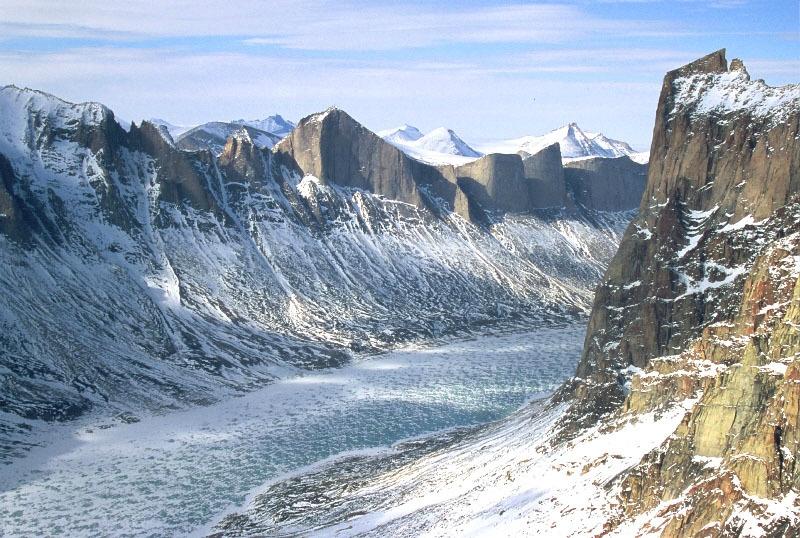
Comprised of vast stretches of wilderness, Nunavut’s geography is dominated by tundra, ice-covered regions, and numerous islands, including Baffin Island and Victoria Island. Its Arctic climate presents significant challenges for its inhabitants, with long, harsh winters and brief summers. According to the Government of Nunavut, temperatures can drop below -30 degrees Celsius in the winter months, making survival in this region particularly demanding.
Cultural Heritage
The Inuit culture is the heart and soul of Nunavut. Inuit art, storytelling, and traditional practices such as hunting and fishing are vital aspects of daily life. Tudjaat, a traditional Inuit festival celebrating community, resilience, and cultural pride, signifies the strength of the Inuit people in the face of modern challenges. The recent establishment of the Nunavut Territory’s 25th anniversary celebrations has highlighted the unique identity and heritage of this region.
Challenges and Issues
As a territory, Nunavut faces significant challenges, particularly in health care, education, and infrastructure. Due to its remote location, access to services is limited, and many areas suffer from high unemployment rates and food insecurity. The Government of Nunavut has been working alongside non-profit organizations to address these pressing issues, but progress remains slow. Moreover, climate change poses a serious threat to traditional ways of life, as melting ice impacts hunting patterns and wildlife.
Conclusion
Nunavut represents a vital part of Canada’s cultural mosaic and natural beauty. Its rich history and the resilience of its inhabitants are crucial to understanding the country’s diversity. While challenges exist, the government and Inuit communities are committed to preserving their culture and improving their quality of life. As climate change continues to impact the Arctic, the importance of supporting Nunavut and its people becomes increasingly clear, making it a significant area for both current and future generations.