Introduction
Yosemite National Park, located in California’s Sierra Nevada, is one of the crown jewels of the American national park system. Renowned for its stunning scenery, diverse ecosystems, and rich cultural history, Yosemite attracts millions of visitors each year. The park’s unique geographical features, including its towering granite cliffs, waterfalls, and giant sequoias, highlight the importance of conservation efforts and education about the natural world. As climate change continues to impact national parks, understanding Yosemite’s ecological significance has never been more relevant.
The Iconic Landscape
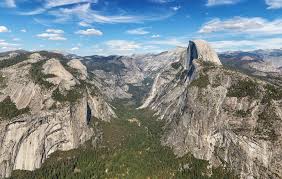
Established as a national park in 1890, Yosemite covers over 1,187 square miles and is celebrated for landmarks such as El Capitan and Half Dome. The park is home to Yosemite Falls, one of the tallest waterfalls in North America, plunging a staggering 2,425 feet. Each year, visitors flock to witness the breathtaking views, especially during peak seasons in the spring and summer. The landscape’s distinct features provide opportunities for outdoor activities, including rock climbing, hiking, and photography.
Wildlife and Ecosystems
The park encompasses a diverse range of habitats, supporting a variety of wildlife species. Visitors may encounter black bears, mule deer, and over 400 species of vertebrates. Yosemite’s forests are composed predominantly of giant sequoias, some of the largest and oldest trees on Earth. Conservationists emphasize the importance of protecting these environments, particularly as human activity and climate change disrupt ecosystems.
Recent Developments and Challenges
In recent years, the park’s management has faced challenges, including overcrowding, wildfires, and the impact of invasive species. To address these issues, the National Park Service has implemented new regulations, including reservation systems for certain popular areas during peak seasons. Additionally, educational programs about fire management are being introduced to raise awareness about the ecological role of fire in maintaining healthy landscapes.
Conclusion
Yosemite National Park remains a powerful symbol of nature’s grandeur and resilience. As it faces 21st-century challenges, the commitment to preserving its unique landscapes and ecosystems is essential not only for future generations of visitors but for the health of the planet. Awareness and actions taken today will ensure that places like Yosemite can be enjoyed for years to come. For those planning to visit, understanding the park’s significance fosters a deeper appreciation for this natural wonder.