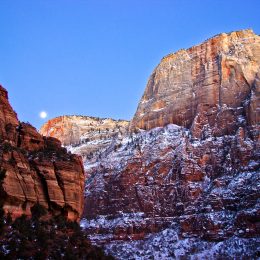
Introduction to Zion National Park
Located in the southwestern United States, Zion National Park is a remarkable natural preserve that attracts millions of visitors each year. Designated as a national park in 1919, Zion is renowned for its stunning red cliffs, diverse ecosystems, and rich cultural history. As concerns over climate change and outdoor recreation management continue to grow, understanding the significance of Zion and its preservation becomes increasingly important.
Geographical and Ecological Significance
Zion National Park spans over 146,000 acres in Utah’s high desert. It features geological formations that are millions of years old, characterized by massive rock formations made of Navajo sandstone. The park is home to a wide variety of plant and animal life, many of which are unique to the region. The diverse habitats, including canyons, rivers, and plateaus, make it an ecological treasure trove.
Popular Attractions and Activities
Visitors to Zion can enjoy a plethora of activities and breathtaking sights. Iconic hikes such as Angel’s Landing and The Narrows offer adventurers stunning views and an exhilarating experience. The 5-mile Angel’s Landing hike is particularly famous for its steep, narrow paths and rewarding vistas. Additionally, The Narrows trek, where visitors wade through the Virgin River surrounded by towering canyon walls, is a highlight for many.
The park is also a haven for rock climbers, with over 2,000 established routes. Birdwatchers and wildlife enthusiasts can spot various species, ranging from bighorn sheep to golden eagles, contributing to its rich biodiversity.
Visitor Experience and Conservation Efforts
With the increasing number of visitors—over 4.5 million in 2021—Zion National Park is continuously adapting to manage tourism while preserving its natural beauty. The National Park Service has implemented measures such as a shuttle system to minimize traffic congestion and promote responsible visitation. In addition, educational programs are offered to raise awareness about environmental conservation and the importance of preserving such natural wonders.
Conclusion
Zion National Park is not just a picturesque landscape; it is a vital part of the ecological heritage of the United States. As we continue to navigate the impacts of tourism and environmental change, the future of this magnificent park relies on the collective efforts of visitors and conservationists. By embracing sustainable practices and fostering a deeper understanding of the natural world, we can ensure that Zion remains a cherished destination for generations to come.