Introduction
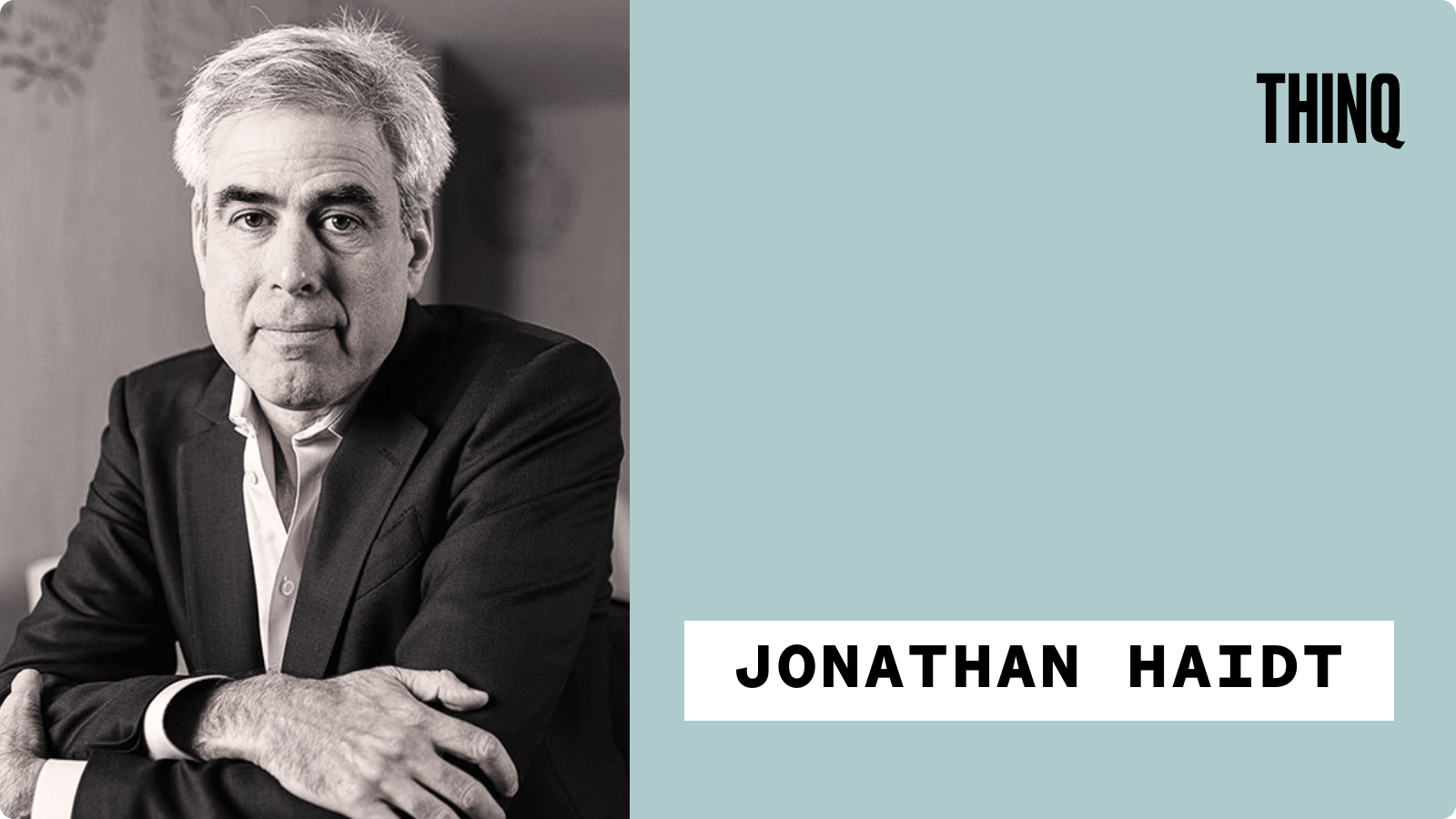
Jonathan Haidt, a prominent social psychologist and professor at NYU’s Stern School of Business, has been a significant voice in shaping contemporary discussions surrounding morality, culture, and politics. His work, particularly in understanding how moral psychology influences human behavior and societal dynamics, has gained increased relevance in today’s polarized climate. Haidt’s contributions offer critical insights into the complexities of human beliefs and values, making his research essential for anyone involved in psychology, sociology, or cultural studies.
Recent Developments
In his latest book, The Happiness Hypothesis, Haidt delves into how ancient wisdom and modern science converge to address happiness and well-being. He summarizes insights from various philosophical and psychological traditions, presenting readers with practical advice grounded in research. Additionally, his involvement in various podcasts and discussions surrounding social media’s role in exacerbating ideological divides highlights the practical implications of his research.
Moreover, Haidt’s ongoing research project, the Haidt Lab, aims to explore factors that contribute to social cohesion amidst diversity. This project is particularly timely, given the increasing tensions seen in various global contexts, including the United States, where political polarization has become a defining characteristic of public discourse.
Influence on Culture
Haidt’s insights extend beyond academic circles. His TED talks and public lectures have reached millions, helping to inform a broader audience about the psychological underpinnings of moral beliefs. He emphasizes the importance of dialogue and understanding opposing viewpoints, which is crucial in an era where social media often fosters echo chambers rather than constructive conversation.
As a co-founder of the nonprofit organization Heterodox Academy, Haidt advocates for viewpoint diversity in higher education. The organization promotes the idea that academic environments should encourage the exploration of a wide range of opinions, making universities more conducive to open debate and critical thinking.
Conclusion
In summary, Jonathan Haidt is more than just a psychologist; he is a cultural commentator whose work addresses pressing issues of morality, happiness, and societal dynamics. As we navigate the complexities of modern life, incorporating Haidt’s insights can help foster understanding and respect across different perspectives. Looking ahead, his continued exploration of these themes will likely provide valuable frameworks for anyone seeking to understand the moral fabric of society and contribute to healthier public discourse.