The Importance of Tall Buildings
The skyline of our cities is forever changing, and the world’s tallest buildings are at the forefront of this evolution. These architectural marvels not only redefine the boundaries of engineering and design but also serve as symbols of economic and cultural growth in their respective regions. As urban populations continue to swell, the demand for vertical living becomes increasingly significant.
Recent Developments in Skyscraper Construction
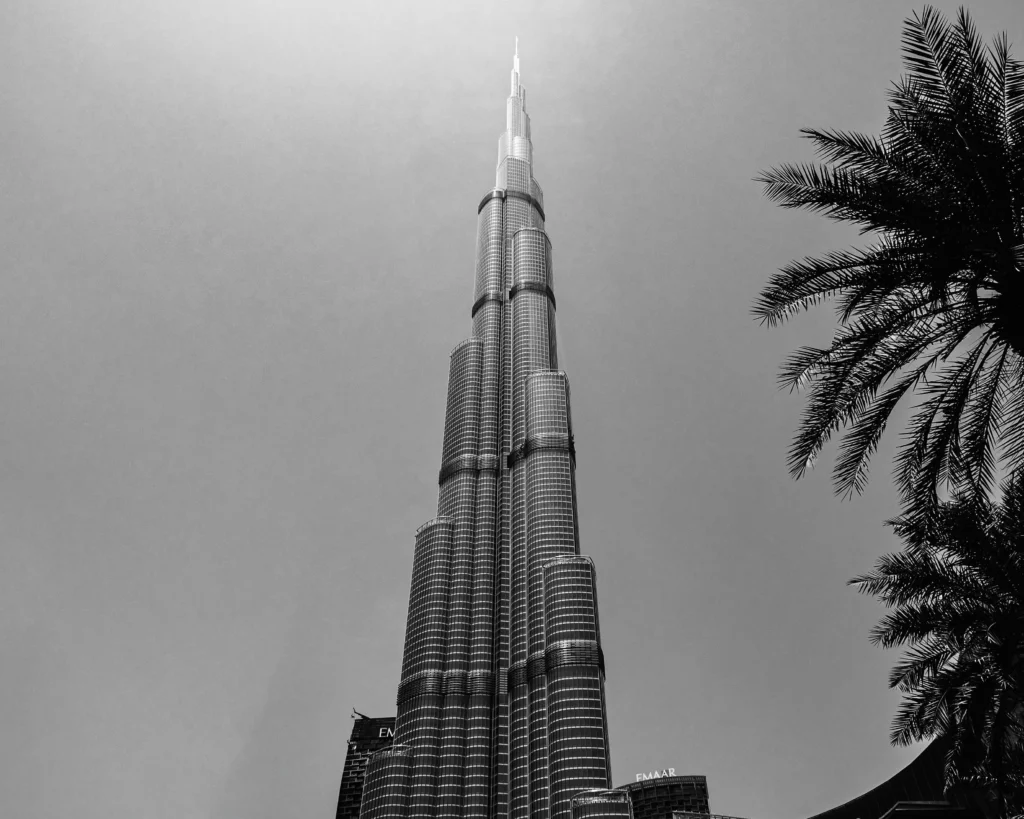
As of 2023, the Burj Khalifa in Dubai holds the title of the tallest building in the world, standing at an impressive 828 meters (2,717 feet). Completed in 2010, the Burj has set the benchmark for skyline achievement worldwide. However, competition is heating up with several countries striving to claim the title of the next tallest skyscraper.
In construction, the Jeddah Tower in Saudi Arabia is projected to reach 1,000 meters (3,281 feet) upon its completion. Although construction faced delays due to various factors, including economic fluctuations and the COVID-19 pandemic, it remains an ambitious endeavor demonstrating Saudi Arabia’s commitment to ambitious architectural projects.
Cultural and Economic Significance
The rise of skyscrapers signals more than just urban evolution; they are pivotal in defining a city’s identity. Cities like New York and Shanghai have seen their emblems encapsulated in structures like One World Trade Center and Shanghai Tower, respectively. These buildings not only provide office spaces and residential units but also promote tourism and boost local economies through various auxiliary services.
Technological Innovations in Skyscraper Design
The quest for height often leads to groundbreaking technological advancements. Current skyscrapers employ innovative materials and engineering techniques that allow for taller, safer, and more sustainable structures. Features such as wind-resistant designs, smart elevator systems, and energy-efficient systems are now commonplace in skyscraper design, showcasing how modern engineering tackles traditional challenges.
Conclusion: The Future of Skyscrapers
The future of the world’s tallest buildings seems promising. As cities continue to grow horizontally, vertical developments will remain crucial in accommodating urban populations while preserving green spaces. Emerging trends suggest that future skyscrapers will not only focus on height but also on sustainability and multifunctionality, positioning them as integral players in future urban planning. It is evident that as architectural technology evolves, the world can look forward to more innovative structures piercing the skies.