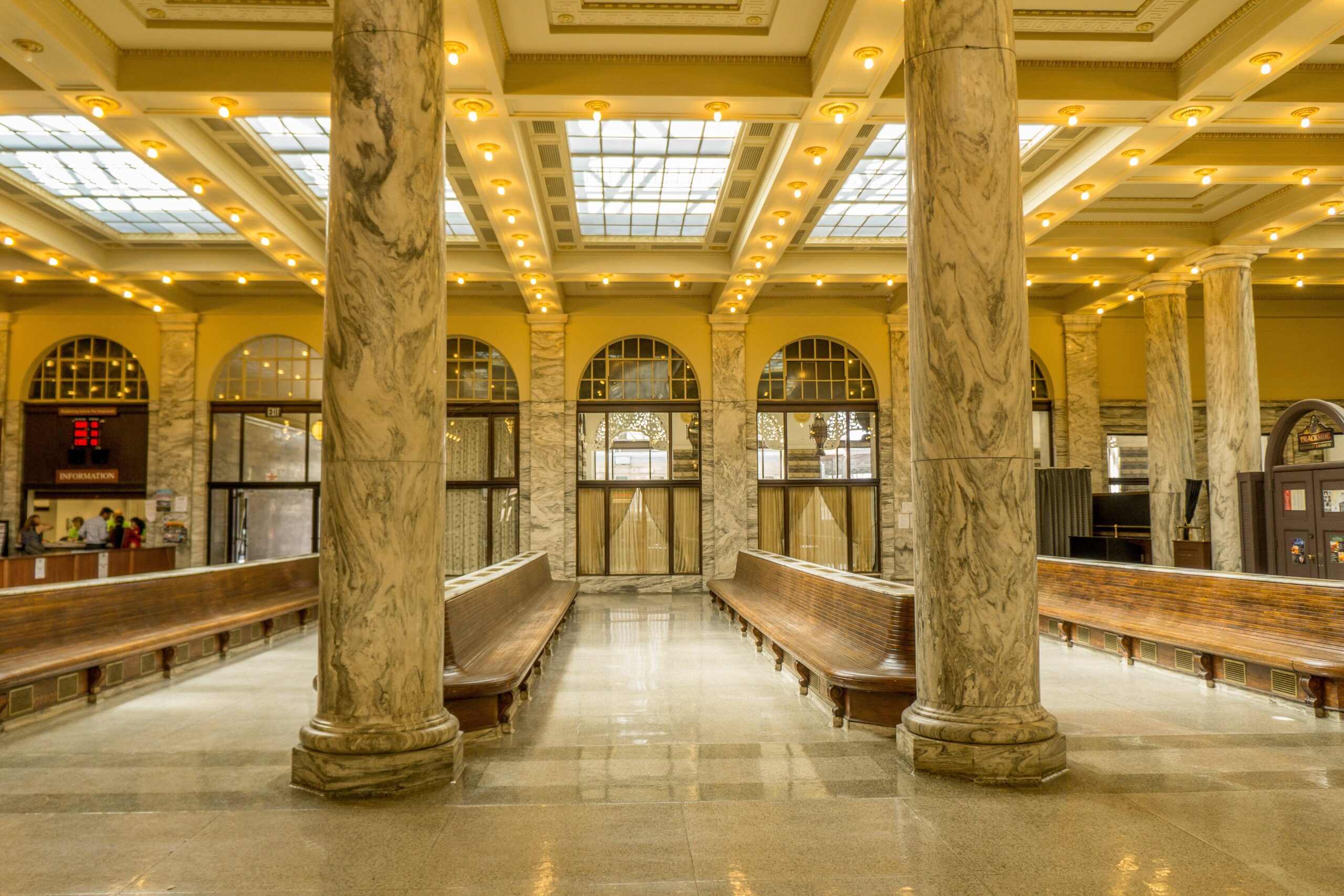
Introduction to Union Station
Union Station, located in the heart of many major cities across the United States, is more than just a transit hub; it is a cornerstone of American history and an architectural marvel. These stations are often designed to be the gateway into cities, featuring impressive design and a sense of arrival that welcomes travelers. Connecting millions of passengers annually, Union Stations play an essential role in integrating various modes of transportation, such as trains, buses, and subways, while also serving as cultural and commercial hubs.
Historical Significance
Union Station in Washington, D.C., for example, was opened in 1907 and has been a key venue for both transportation and events. It was designed by the architect Daniel Burnham and is noted for its grand Beaux-Arts style. The station not only accommodates Amtrak services but also serves as a metro station and bus terminal, reinforcing its role as a central point of connectivity. Similarly, Union Station in Los Angeles, built in 1939, is renowned for its Spanish Mission architecture and has become a cultural icon, attracting visitors who come not only to travel but also to appreciate its historic value.
Recent Developments
In 2022 and 2023, there have been several upgrades and renovations across various Union Stations to enhance the passenger experience. For instance, the ongoing plans to modernize facilities have included improved amenities, digital information displays, and comfortable waiting areas to cater to the increasing number of travelers. These upgrades aim to ensure that these historic sites can meet contemporary expectations while preserving their iconic architecture.
Economic Impact
According to a 2023 report by the Federal Transit Administration, transit stations, including Union Stations, are crucial for local economies, contributing billions in economic activity annually. They not only facilitate commuting but also create jobs, both within the transit system and in nearby businesses such as restaurants and shops. Moreover, revitalization efforts around these stations have greatly increased property values and spurred redevelopment projects.
Conclusion: The Future of Union Stations
As the importance of sustainable and efficient transportation increases, Union Stations will likely continue to adapt and evolve. Future trends may involve incorporating more eco-friendly technologies and expanding community-oriented services. For residents and travelers alike, these historic stations will remain vital lifelines to urban connectivity and cultural experiences. Union Stations symbolize not only a commitment to preserving history but also an investment in the future of public transportation.