Introduction
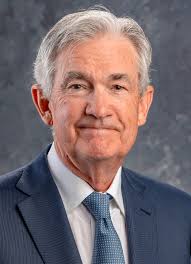
Jerome Powell, the current Chair of the Federal Reserve, plays a critical role in shaping the U.S. economy and its monetary policy. With the nation facing rising inflation, Powell’s decisions and statements have a direct impact on interest rates, employment, and overall economic stability. As the Federal Reserve navigates post-pandemic recovery, understanding Powell’s influence has never been more relevant.
Recent Developments
In recent months, Powell has been at the forefront of the Federal Reserve’s efforts to combat inflation, which surged to a 40-year high in 2022. In response, the Fed has implemented a series of aggressive interest rate hikes. In September 2023, the Fed raised rates to a range of 5.25% to 5.50%, a move intended to cool down demand and help stabilize prices. Powell has emphasized the importance of flexibility in monetary policy, stating, “We will not hesitate to raise rates further if necessary.”
Moreover, Powell’s statements during public addresses have often influenced global financial markets, reflecting the weight his words carry. Following a recent speech at an economic conference, markets reacted with volatility, showcasing investor sensitivity to Powell’s outlook on inflation and the economy.
Impact on Employment and Growth
Powell’s leadership has also focused on maximizing employment, a key goal of the Federal Reserve. Despite rising rates, the labor market has shown resilience, with unemployment rates hovering around 3.8% as of September 2023. Powell has pointed out that strong job growth is critical in the fight against inflation, as stable employment levels contribute to consumer spending.
However, the delicate balancing act remains: Powell must manage inflation while sustaining employment growth. Analysts are closely monitoring whether the Fed’s rate increases might eventually lead to a cooling labor market. Predictions about a possible recession have surfaced, though Powell has maintained a cautiously optimistic stance, asserting that the economy is navigating a complex landscape marked by both challenges and opportunities.
Conclusion
As Fed Chair Jerome Powell continues to steer the Federal Reserve through volatile economic waters, his decisions will have lasting implications for financial markets and everyday Americans. The ongoing battle against inflation, paired with a focus on employment stability, underscores the significance of Powell’s leadership in shaping future economic outcomes. Observers and economists alike will be keeping a keen eye on his upcoming speeches and policy decisions, as these will shape monetary policy well into 2024 and beyond. Understanding Powell’s strategies is essential for those looking to grasp the larger economic picture in the United States.