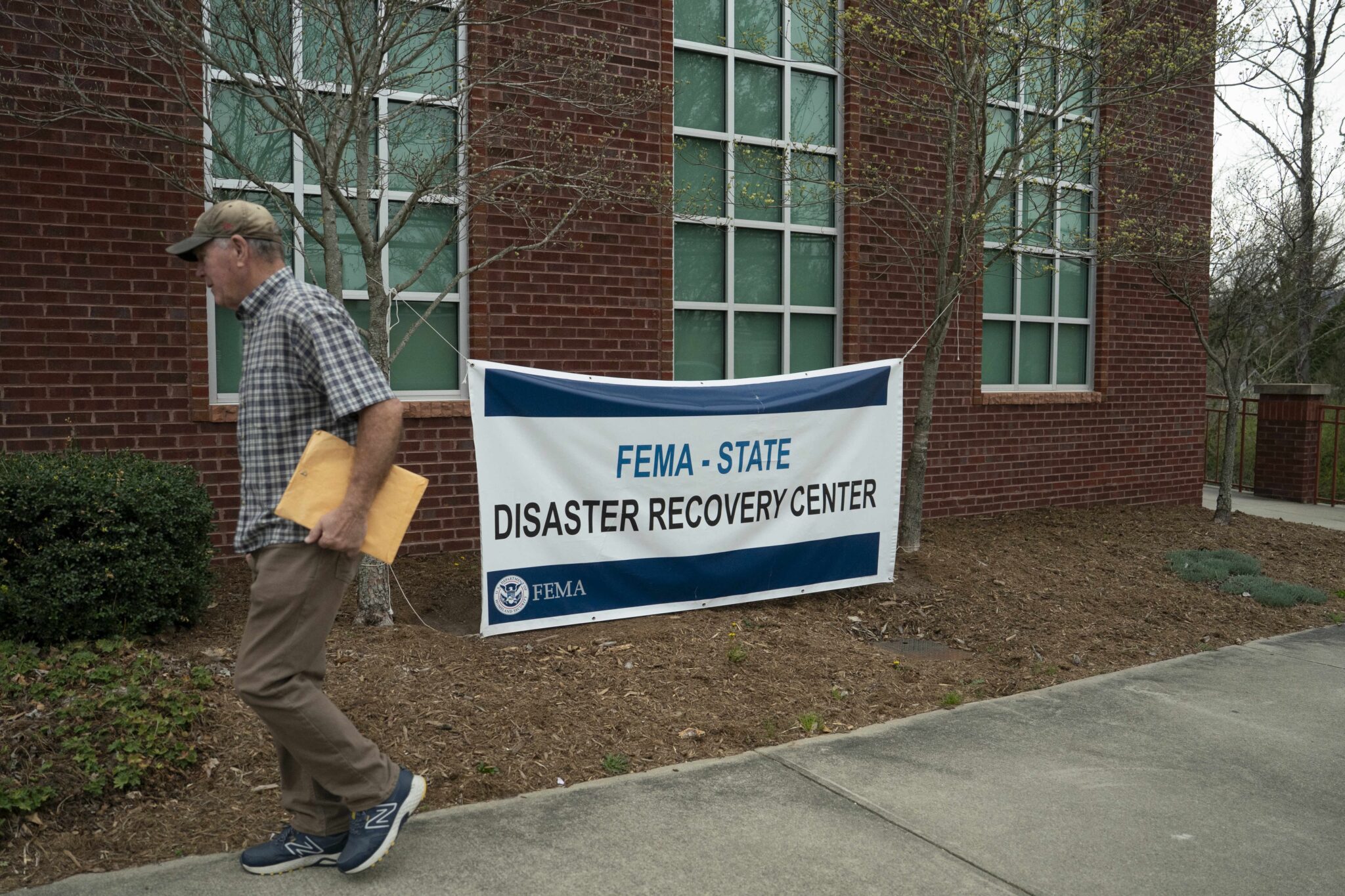
Understanding FEMA’s Role
The Federal Emergency Management Agency (FEMA) is a pivotal entity within the United States government tasked with assisting citizens and first responders during emergencies. Established in 1979, FEMA was created to coordinate the federal government’s response to natural disasters, which have increasingly intensified due to climate change. Given recent catastrophic events, understanding the workings and initiatives of FEMA has never been more crucial.
Recent Developments
In 2023, FEMA has been at the forefront of several key initiatives in response to a series of unprecedented natural disasters, including hurricanes, wildfires, and floods. The agency has mobilized resources in various states, providing not only immediate assistance but also long-term recovery support. Following Hurricane Idalia in early September, FEMA offered expedited assistance to affected areas in Florida and Georgia, showcasing a swift response that is critical in the first few days after a disaster strikes.
In addition to immediate emergency response, FEMA has also been investing in disaster preparedness programs aimed at educating and equipping communities. The agency’s “Ready” campaign promotes disaster preparedness by encouraging individuals and families to develop emergency plans and assemble emergency kits.
Challenges Ahead
Despite ongoing efforts, FEMA faces significant challenges. Funding for disaster relief programs has been a continuously debated issue, and the agency’s ability to respond effectively is often hindered by bureaucratic delays and limited local resources. Moreover, with climate change leading to an increase in the frequency and severity of natural disasters, FEMA’s responsibilities are larger than ever. In 2023 alone, the agency declared multiple major disasters as more communities face the consequences of extreme weather.
Looking Forward
Experts suggest that FEMA will need to expand its collaboration with local governments and community organizations to enhance resilience against disasters. Forecasts indicate that the agency’s role will continue to evolve as it adapts to the changing landscape of emergency management. This includes not only improving response times but also enhancing public education about disaster preparedness and recovery.
Conclusion
In conclusion, FEMA’s actions and initiatives are vital to the safety and welfare of American citizens, especially as the frequency of disasters continues to rise. As the agency adapts and evolves in the face of these challenges, its focus will remain steadfast on preparing, responding, and recovering from disasters. Staying informed about FEMA’s resources and initiatives is essential for individuals and communities aiming to navigate the growing dangers of natural disasters.