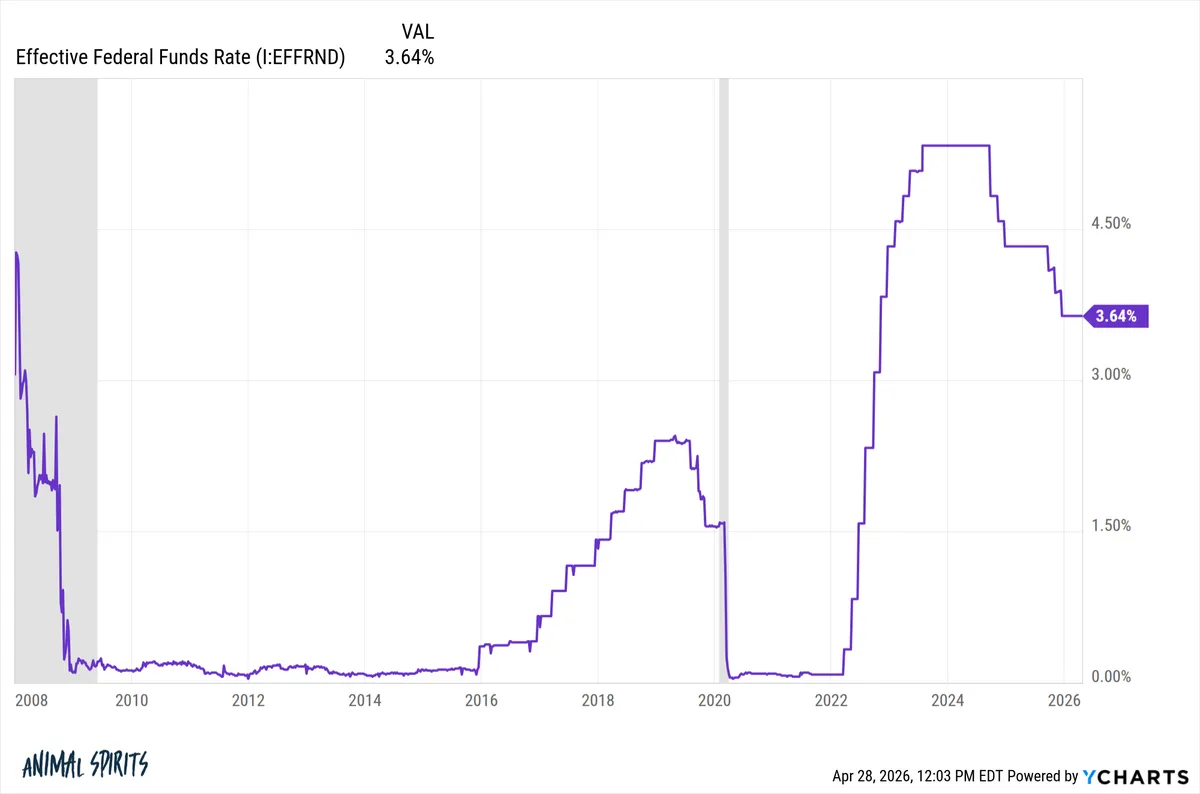
Despite fears of a financial crisis, the economy has shown unexpected resilience. Following the Great Financial Crisis, many anticipated severe downturns. However, major economic indicators have remained stable.
In early 2009, the Federal Reserve took decisive action by lowering interest rates to 0%. This marked the beginning of a series of measures aimed at stabilizing the economy.
The Fed implemented quantitative easing, purchasing assets from banks to inject liquidity into the financial system. These actions helped prevent a repeat of past financial disasters.
Throughout the 2010s, there were no significant crises attributed to this monetary policy. Inflation remained subdued, despite concerns over extensive money printing.
The economy experienced an unprecedented economic boom during this period. From 2009 to 2026, the consumer price index is projected to increase by 56%.
Notably, there was no hyperinflation as a result of these policies. The dollar maintained its strength even with prolonged low interest rates.
As of midday, analysts report that there have been no recessions outside of the brief pandemic-induced slowdown. This is significant given prior expectations for economic instability.
Private credit has surged in recent years, rising to two and a half trillion dollars. This growth reflects increased borrowing and lending activities within the economy.
The Financial Stability Board has also expanded its functions since the global financial crisis. These measures aim to enhance oversight and prevent future financial risks.
Experts caution that while current conditions seem stable, they reflect lessons learned from past crises. “Most of the bad stuff people predict doesn’t come to pass,” noted an analyst.
As we move forward, vigilance remains crucial. The Fed kept interest rates at rock-bottom levels for about 8 or 9 years, which could have long-term implications for economic dynamics.
This sequence of events highlights a critical juncture for policymakers and investors alike as they navigate ongoing uncertainties in global markets.