Introduction
The recent announcement regarding the cut off of food stamps has raised significant concerns across the United States. As inflation impacts the cost of living, this decision could affect millions of families who rely on assistance to provide basic nutrition. Understanding the implications of these cuts is essential for affected individuals and for society as a whole.
Details on the Cut Off
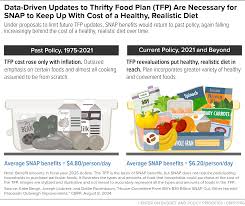
Starting next month, the United States Department of Agriculture (USDA) will initiate significant changes to the Supplemental Nutrition Assistance Program (SNAP), commonly known as food stamps. The agency has indicated that it plans to cut the monthly benefits for nearly 10 million households as part of the federal government’s initiative to adjust its spending in light of recent economic shifts. This decision follows an expansion of benefits during the pandemic, which provided crucial support to those facing food insecurity.
The cuts are expected to average about $90 per household per month, which may not seem drastic at first glance, but for many families, this represents a critical portion of their monthly budget for groceries. Data from the Center on Budget and Policy Priorities suggests that one in eight Americans rely on food assistance, making these cuts particularly concerning for vulnerable populations.
Impact on Households and Communities
The implications of these cuts extend beyond just the financial aspect. Food insecurity can lead to numerous negative health outcomes, including chronic diseases and mental health struggles. Many experts believe that reducing food stamp assistance could potentially increase the number of individuals experiencing hunger and malnutrition. With prices of essential goods on the rise, households that are already struggling financially may face dire circumstances as they adjust to the decreased support.
Community organizations and food banks are bracing for increased demand as they try to fill this gap left by the reduced SNAP benefits. A report from Feeding America highlights that food bank usage has already surged by 50% in many regions across the U.S., underscoring the urgent need for food assistance.
Conclusion
The cut off of food stamps is a critical issue that will affect millions of Americans in the near future. As families scramble to adjust their budgets, there is a growing concern for the overall health and stability of communities nationwide. Experts advocate for a comprehensive approach to tackle food insecurity that goes beyond mere financial support, emphasizing the importance of sustainable food systems and access to resources. The upcoming changes to the SNAP program will require vigilance, advocacy, and community support to mitigate the adverse effects on those in greatest need.