Introduction
The animated television series The Great North, which has entertained viewers since its debut in 2021, was recently cancelled by Fox. This news has sparked conversations among fans and the entertainment industry, as animated series continue to struggle for longevity amidst changing viewer preferences and network strategies. Understanding the implications of this cancellation is crucial for fans and those invested in the future of animation.
Details of the Cancellation
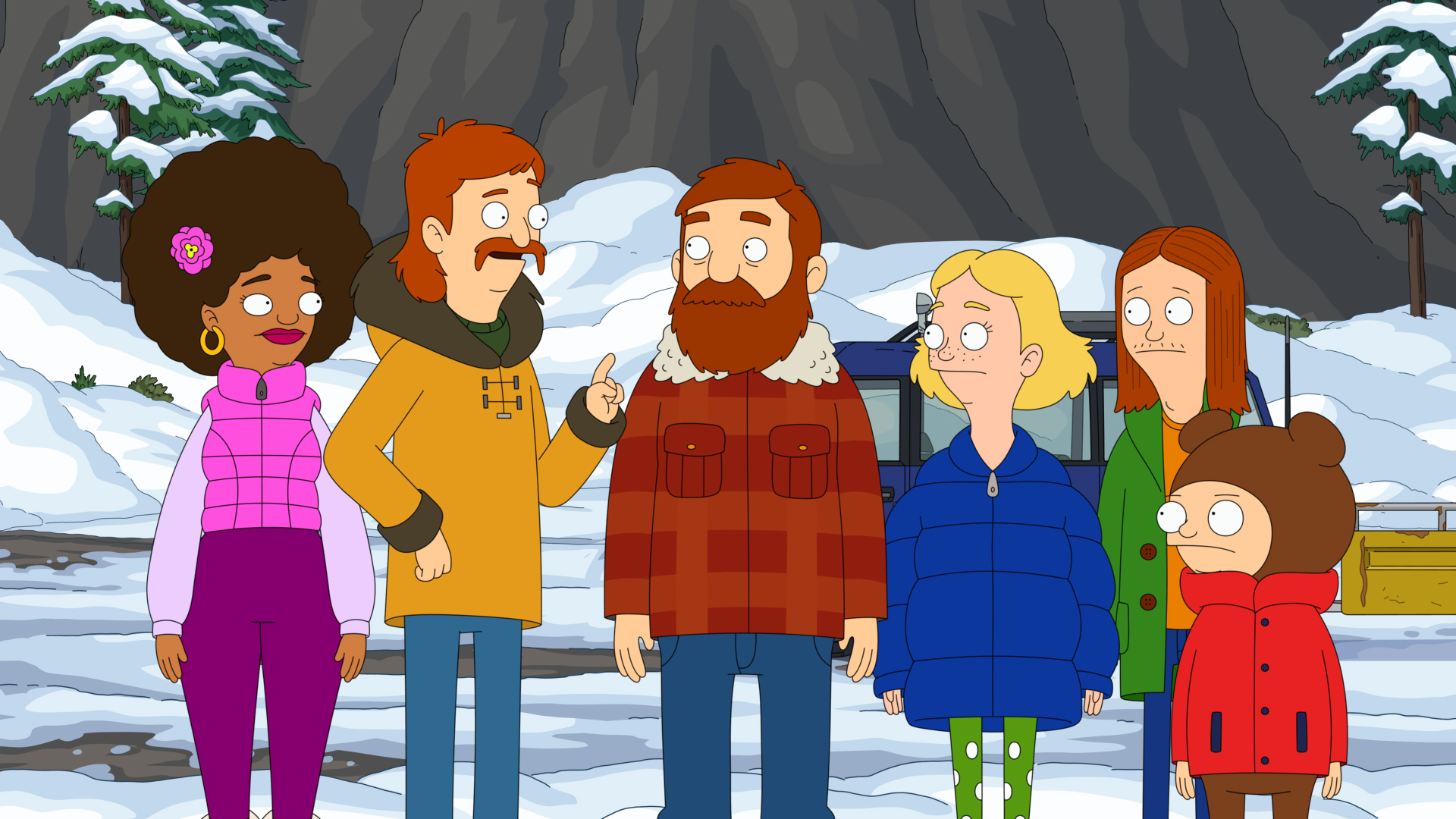
Fox announced the cancellation of The Great North on September 26, 2023, following the completion of its third season. The show, created by Wendy Molyneux and Lizzy Molyneux-Logelin, follows the daily lives of the Tobin family, who live in the fictional town of Lone Moose, Alaska. It featured a star-studded voice cast including Nick Offerman, Jenny Slate, and Dulcé Sloan. Despite receiving praise for its humor and character development, the show’s ratings had declined significantly by its third season, leading to the decision.
The show’s cancellation is part of a broader trend within the television industry, where many animated series are facing the chopping block, often due to high production costs and lower than expected viewer ratings. In the competitive landscape of streaming services and traditional networks alike, networks are reassessing their content strategies.
Fan Reactions and the Future of Animated Series
The news of The Great North‘s cancellation has elicited mixed reactions from fans. Some expressed their disappointment on social media, highlighting how the series resonated with themes of family and community, while others reflected on the series’ untapped potential for further storytelling richness. Fan campaigns to save shows have become a common occurrence, but it remains to be seen if such efforts will gain traction for this series.
As for the future of animated programming, networks may continue to rely heavily on established franchises rather than new, original content. Programs like The Simpsons and Bob’s Burgers have shown remarkable staying power, suggesting that viewers may lean towards familiar favorites.
Conclusion
The cancellation of The Great North serves as a reminder of the ever-changing landscape of television and animation. With viewer habits shifting and networks recalibrating their strategies, the future of animated content remains uncertain. Fans of The Great North may need to advocate for more original animated programming to ensure their stories have a chance to thrive in the competitive market. The overall significance of this cancellation highlights the fragility of creative endeavors and the challenges they face in today’s media environment.