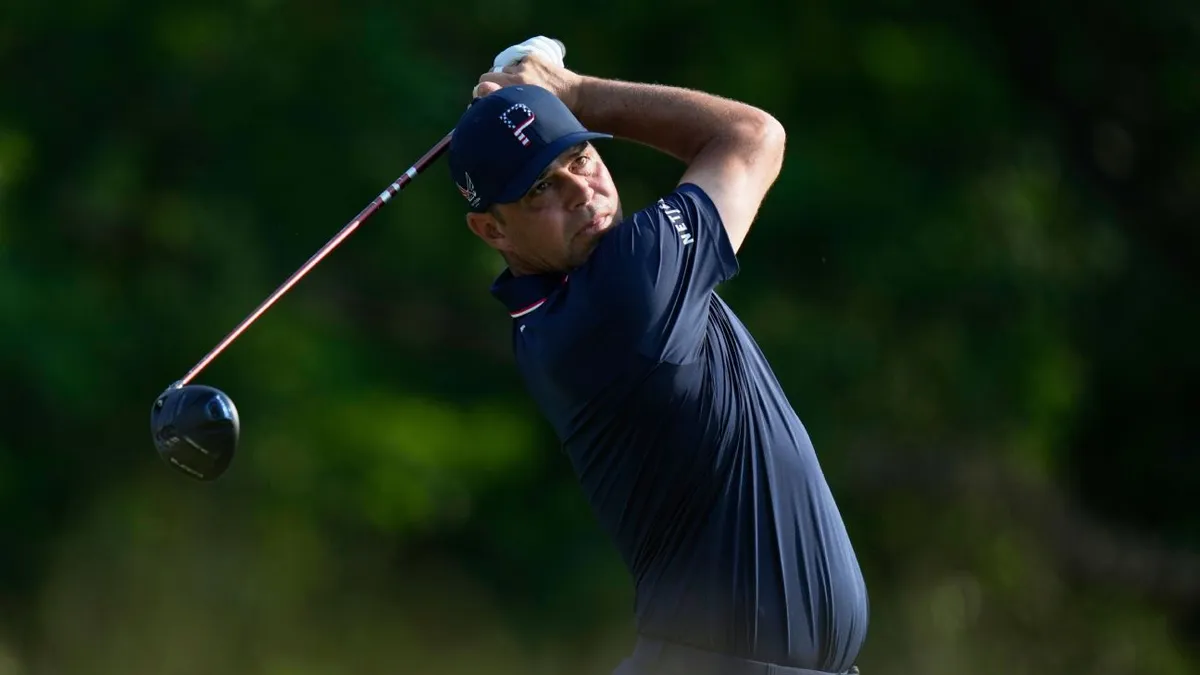
Gary Woodland’s Journey with PTSD
Gary Woodland, the 2019 U.S. Open champion, has recently opened up about his struggles with post-traumatic stress disorder (PTSD) following a significant medical procedure. In September 2023, Woodland underwent brain surgery to remove a lesion pressing on his brain, a procedure that has profoundly affected his mental health and professional career.
Diagnosed with PTSD approximately a year ago, Woodland’s journey has been marked by challenges that extend beyond the golf course. He experienced symptoms during the 2025 Procore Championship, prompting him to confront his mental health openly. At 41 years old, Woodland has expressed feelings of despair, stating, “I feel like I’m dying, and I feel like I’m living a lie.” This candid admission highlights the internal battles he faces as he navigates life as a professional athlete.
Support from the PGA Tour
Throughout his struggles, Woodland has received considerable support from the PGA Tour, which has implemented extra security protocols to assist him. He acknowledges the importance of this support, stating, “I can’t waste energy anymore hiding this, and I’m blessed with a lot of support out here on the Tour.” This backing has been crucial as he strives to manage his condition while continuing to compete.
Woodland’s return to the PGA Tour at the start of 2024 marks a significant milestone in his recovery journey. Despite the challenges posed by his PTSD, he remains committed to his career in golf. He has expressed a desire to help others facing similar struggles, stating, “I want to help people, too. I realize now I’ve got to help myself first.” This commitment to advocacy reflects his understanding of the importance of mental health awareness in sports.
Broader Context of Mental Health in Sports
Woodland’s experience is part of a broader conversation about mental health in professional sports. Athletes often face immense pressure to perform, which can exacerbate existing mental health issues. His openness about his PTSD diagnosis contributes to a growing movement among athletes to prioritize mental well-being and reduce the stigma surrounding mental health challenges.
As Woodland continues to share his story, he hopes to inspire others to seek help and support. His journey serves as a reminder that mental health is just as important as physical health, especially in high-stakes environments like professional sports. The dialogue surrounding mental health is evolving, and Woodland’s candidness is a vital part of that change.
Looking Ahead
As Woodland prepares for his upcoming tournaments, he remains focused on both his mental health and his performance on the course. The challenges he faces are ongoing, but his determination to overcome them is evident. With the support of the PGA Tour and his commitment to helping others, Woodland is poised to make a significant impact both in golf and in the realm of mental health advocacy.
Details remain unconfirmed regarding the full extent of his recovery and future plans, but Woodland’s journey continues to resonate with many, highlighting the importance of addressing mental health issues in all aspects of life.