Introduction
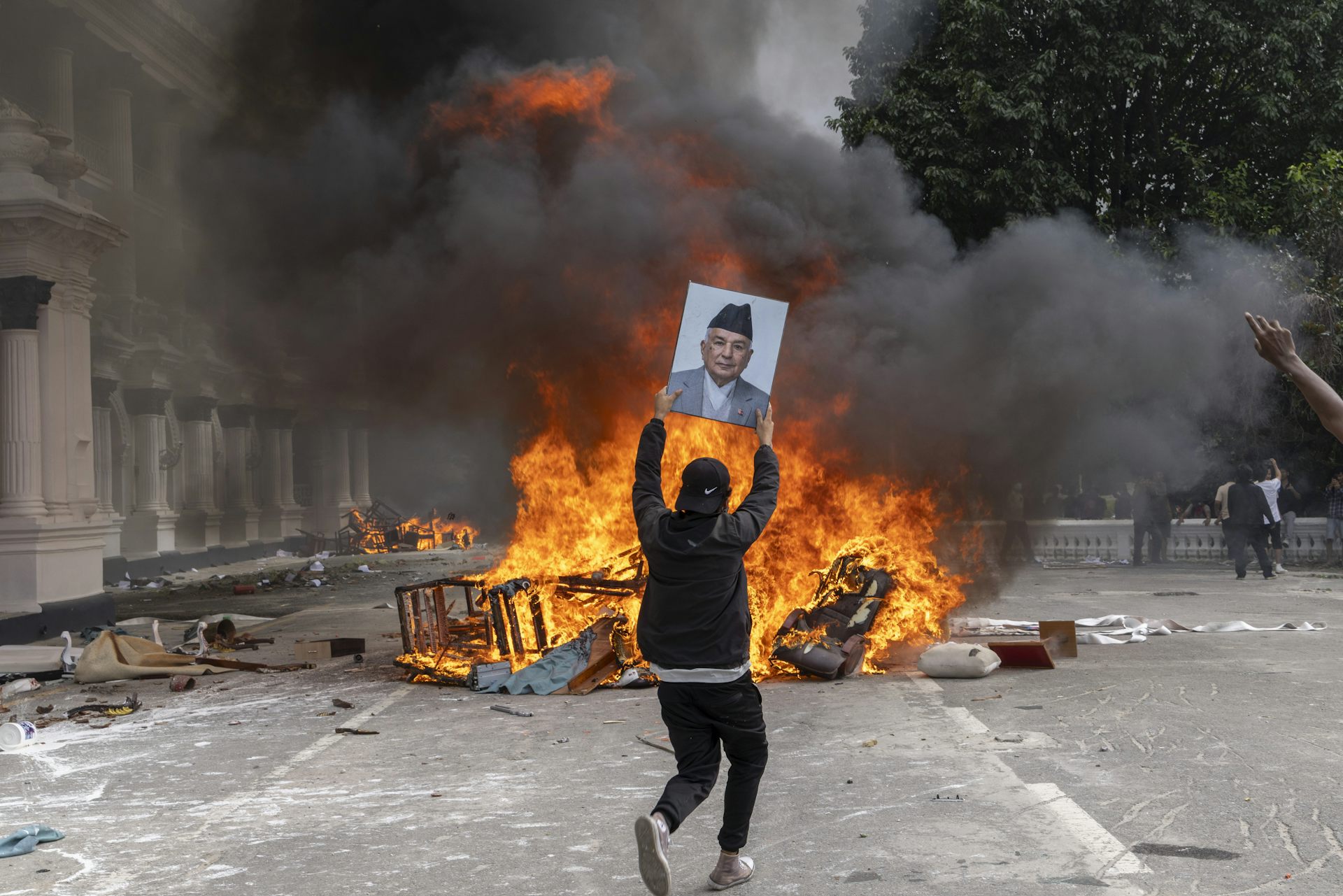
In recent weeks, Nepal has witnessed an eruption of protests largely led by members of Generation Z, a demographic known for its deep engagement with social issues and advocacy for change. These young activists are voicing their concerns over various pressing issues, including government corruption, environmental degradation, and credible political representation. The increasing significance of these protests cannot be understated, as they represent a shift in the political landscape of Nepal, showcasing the voices of a generation ready to reclaim their future.
Main Body
The protests began as a response to growing discontent with the current government, which many young citizens feel has failed to address their needs. On social media platforms like Twitter and Instagram, hashtags such as #NepalProtests and #GenZForChange have gained traction, rallying support from not just within the country, but also from the international community. Eyewitness reports from Kathmandu indicate that thousands of demonstrators, primarily students and young professionals, have been gathering in key locations to demand accountability and reforms.
One of the primary issues driving the protests is the perceived apathy of the government towards climate change—a concern that resonates deeply with Gen Z. In a country vulnerable to natural disasters, including landslides and floods, many young activists are advocating for more proactive environmental policies. “Youth voices matter,” said Nisha, a 22-year-old protest leader. “We are the ones who will live with the consequences of these decisions. We want our leaders to listen and act.”
In addition to environmental concerns, participants are also speaking out against education inequality, economic instability, and the lack of job opportunities. Young people in Nepal face high rates of unemployment, leading to frustrations about their prospects for the future. Many are demanding the government implement policies that can create sustainable employment opportunities and enhance educational quality to meet global standards.
Conclusion
As protests continue, the significance of Gen Z’s actions in Nepal is becoming increasingly evident. With a population that is youthful and determined, the protests signal a broader demand for a more inclusive and responsive political system. Analyzing this movement provides a glimpse into the shifting power dynamics in Nepal, where traditional political structures may soon face challenges from an engaged younger generation unwilling to accept the status quo. Ultimately, the outcome of these protests could set a precedent for future generations, shaping the socio-political landscape of Nepal and influencing civic engagement worldwide.