Introduction
The Gordie Howe International Bridge is set to significantly enhance transportation and trade between the United States and Canada. As one of the most anticipated infrastructure projects in North America, its relevance stretches beyond just improved roadways; it symbolizes stronger economic ties and regional development amidst ongoing globalization. With completion expected in the coming years, the bridge will stand as a testament to modern engineering and collaboration.
Project Overview
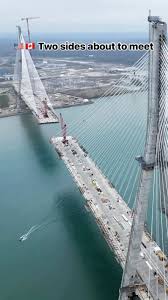
Announced in 2013, the Gordie Howe International Bridge is designed as a cable-stayed bridge, connecting Detroit, Michigan, with Windsor, Ontario. The estimated $4.4 billion project aims to alleviate congestion at the Ambassador Bridge and the Detroit-Windsor Tunnel, which currently serve as the primary links between the two countries. Once completed, the new bridge will feature dedicated lanes for vehicles, pedestrians, and cyclists, ensuring versatile transport options. With a total length of 6,000 feet and a main span of 1,800 feet, it will be one of the longest bridges of its kind in North America.
Economic and Social Impact
The Gordie Howe International Bridge is expected to be a game-changer for cross-border commerce. It will facilitate smoother movement for freight trucks, which carry approximately $250 billion worth of goods annually between the U.S. and Canada. By easing traffic and opening new routes, the bridge is projected to create upwards of 5,000 construction jobs during its building phase and nearly 25,000 permanent jobs once operational. Local economies on both sides of the border are anticipated to receive a significant boost, benefiting from enhanced trade opportunities and increased tourism.
Current Developments
As of late 2023, construction is well underway, with reports indicating substantial progress. The completion date has been tentatively set for 2024, with the possibility of delays due to weather or other unforeseen circumstances. The project has faced criticism and legal challenges, mainly from local communities concerned about environmental impacts and urban development, but agencies have emphasized sustainable and green choices throughout the construction process.
Conclusion
The Gordie Howe International Bridge is more than just an infrastructure project; it is a key driver for economic integration between the U.S. and Canada. As both countries continue to strengthen their partnerships in an ever-changing global landscape, this bridge stands poised to facilitate the movement of goods, services, and people, creating lasting benefits for the next generation. Stakeholders are optimistic that the completion of the bridge will usher in a new era of connectivity and prosperity for the region.