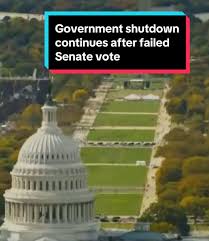
The Importance of Today’s Senate Vote
As the deadline for federal funding approaches, the Senate is set to vote today on critical legislation aimed at preventing a government shutdown. The significance of this vote cannot be overstated, as a shutdown could have widespread implications for federal services, employees, and the economy at large. With parts of the government already expressing concerns over funding, the urgency surrounding this vote has escalated.
Current Legislative Landscape
In recent weeks, negotiations have stalled between both parties regarding budget allocations and funding strategies. Democrats and Republicans are deeply divided on issues such as defense spending, domestic program funding, and potential budget cuts. The proposed legislation, meant to keep the government operational, includes continuing measures that would fund the government at current levels while allowing for negotiations on long-term budgets to continue.
Consequences of a Shutdown
If the Senate fails to pass the funding bill, it could lead to a government shutdown, which would close federal agencies, furlough government workers, and disrupt essential services. The previous government shutdown in December 2018 lasted 35 days, underscoring the potential scale and ramifications of such events. Federal workers and contractors could face delayed paychecks, and citizens relying on government services, such as food assistance and public safety, would experience significant disruptions.
What’s at Stake?
This Senate vote today is seen as a pivotal moment for Congress. While a government shutdown can often be a bargaining chip in political negotiations, the costs associated with it can outweigh the benefits. The economic downturn caused by previous shutdowns has served as a reminder of the importance of bipartisan cooperation. Lawmakers are faced with the challenge of balancing fiscal responsibility with their constituents’ needs for essential government functions.
Looking Ahead
As the Senate prepares to cast its votes, many are watching closely to see if a compromise can be reached. Analysts predict that, regardless of the outcome today, discussions regarding government funding, appropriations, and fiscal strategy will continue to shape the political landscape for months to come.
Conclusion
The vote in the Senate today is crucial in determining whether the government will continue to operate seamlessly or enter a period of uncertainty. As citizens await the outcome, the implications of this decision resonate across the country, highlighting the importance of governance during times of fiscal negotiation.