Introduction
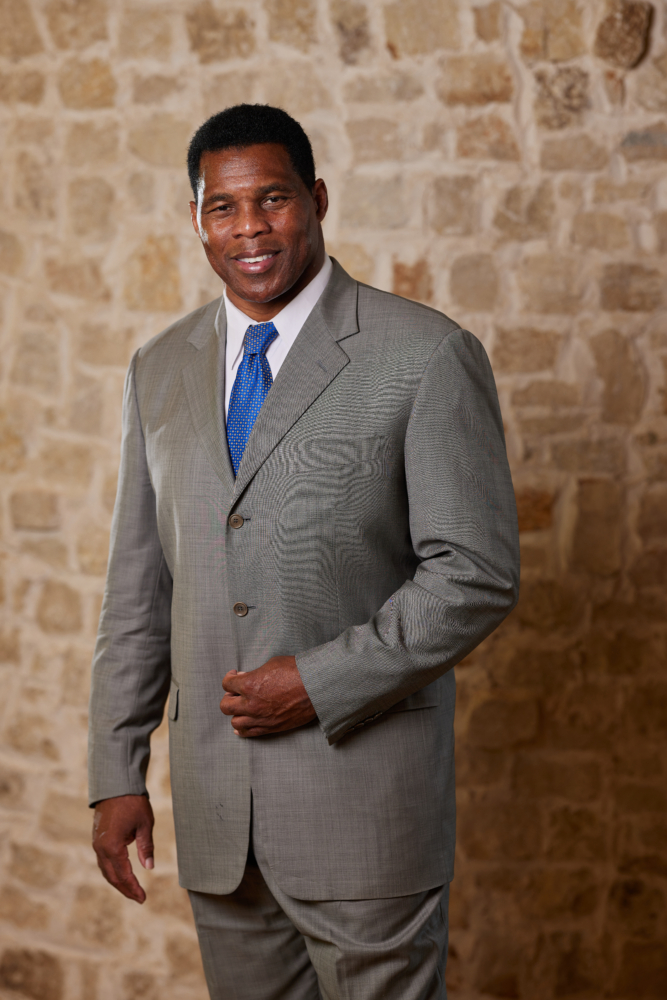
The recent political landscape in the United States has been significantly shaped by the involvement of celebrities in governance. One such figure is Herschel Walker, a former NFL star and Heisman Trophy winner, who made headlines during his 2022 senatorial campaign in Georgia. Walker’s transition from sports to politics speaks volumes about the growing trend of athletes entering public service, as well as the challenges they face along the way.
Herschel Walker’s Background
Born on March 3, 1962, in Wrightsville, Georgia, Herschel Walker gained fame as a football sensation while playing at the University of Georgia, where he won the Heisman Trophy in 1982. He went on to have a successful NFL career, playing for teams including the Dallas Cowboys and the Minnesota Vikings. His prominence in sports has transitioned into a political persona that has sparked intense discussion among voters.
2022 Senate Race
In 2022, Walker announced his candidacy for the U.S. Senate seat in Georgia, running as a Republican against incumbent Senator Raphael Warnock. His campaign focused heavily on issues important to Georgians, including job creation, inflation, and public safety. Walker’s celebrity status helped him garner significant media attention; however, he also faced challenges relating to his past, including allegations regarding personal conduct and inconsistencies in his policy positions.
Key Events and Controversies
Throughout the campaign, several key events influenced public opinion. For example, a high-profile debate between Walker and Warnock showcased the differences in their platforms but also highlighted Walker’s struggle to articulate detailed policy positions. Additionally, controversies surrounding his personal life, including accusations regarding family issues and past statements, often overshadowed his political message. Despite these challenges, Walker maintained support among his base, with many voters rallying behind his sports hero image.
Conclusion and Future Implications
While Herschel Walker ultimately lost the Senate race to Warnock in a closely contested runoff, his candidacy signals a noteworthy shift in American political dynamics. With celebrities like Walker tapping into political aspirations, the boundaries of traditional candidates are evolving. As more athletes and public figures consider political careers, the implications for elections could be profound. Voter demographics, campaign strategies, and the relationship between celebrity status and political credibility will be important considerations in future elections. Walker’s journey is a vivid example of the intersection between sports and politics, and it raises questions about the future roles of public figures in shaping policy and governance in America.