Introduction
Peloton, known for its high-tech exercise equipment and interactive workout sessions, plays a crucial role in the evolving landscape of home fitness. Its rise in popularity, especially during the COVID-19 pandemic, highlights a shift among consumers towards at-home workouts. As gym closures and social distancing measures have become commonplace, the adaptability and innovation of Peloton have made it relevant to both fitness enthusiasts and casual exercisers alike.
The Rise of Peloton
Founded in 2012, Peloton quickly gained traction and became a household name by offering premium exercise bikes and treadmills paired with live and on-demand classes. In 2020, as lockdowns took hold globally, Peloton saw a dramatic increase in membership and sales. According to the company’s financial reports, its subscriptions surpassed 6 million in Q3 2021, a remarkable increase from previous years. This surge indicated a fundamental change in workout habits, with many individuals opting for the convenience of exercising at home rather than commuting to a gym.
Innovative Technology and Community Engagement
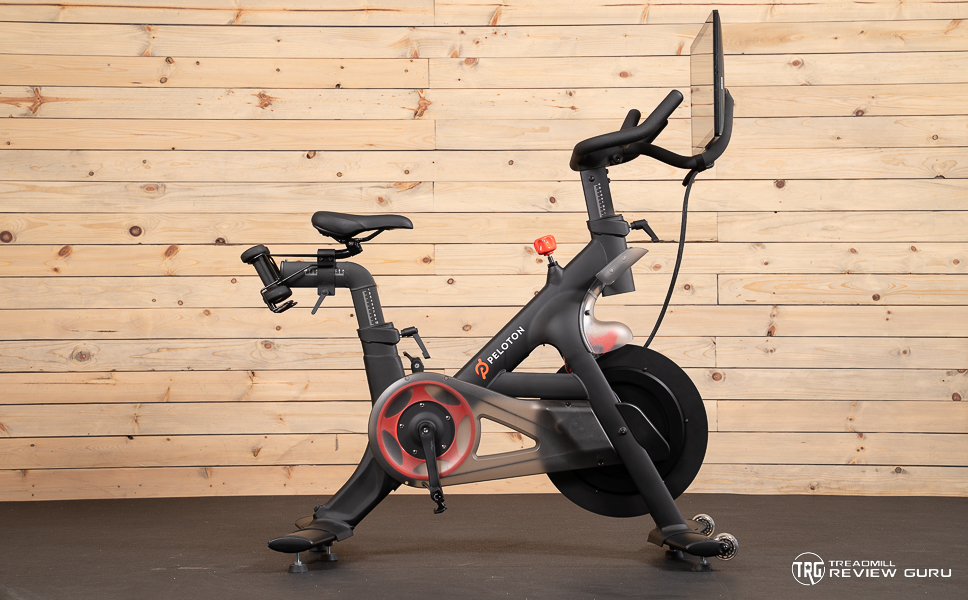
What sets Peloton apart from other fitness platforms is its integration of technology and community. Peloton bikes come equipped with a large touchscreen display that provides access to live streaming classes, personalized coaching, and performance metrics. Moreover, the leaderboard feature fosters a sense of community, as users can compete with friends or fellow riders in real-time. The brand has created a highly engaged community, where users share their achievements, tips, and encouragement, enhancing the workout experience.
Challenges and Future Outlook
Despite its notable achievements, Peloton has faced challenges in the evolving market. The company announced cost-cutting measures and layoffs in early 2022, acknowledging the slowdown in growth as gyms reopened and consumers returned to preferring traditional fitness routines. However, Peloton’s commitment to innovation continues, with plans to expand its range of workout offerings beyond cycling and running, including strength training and yoga, signaling their intention to remain at the forefront of the fitness industry.
Conclusion
Peloton has undeniably transformed the way people approach fitness, merging the convenience of an at-home workout with community-driven experiences. As the health and wellness sector continues to evolve, Peloton’s focus on technology and lifestyle adaptability positions it to remain a significant player in the future of home fitness. For consumers, the shift from gym-based workouts to home fitness solutions represents a lasting change that emphasizes the importance of convenience, accessibility, and community engagement.