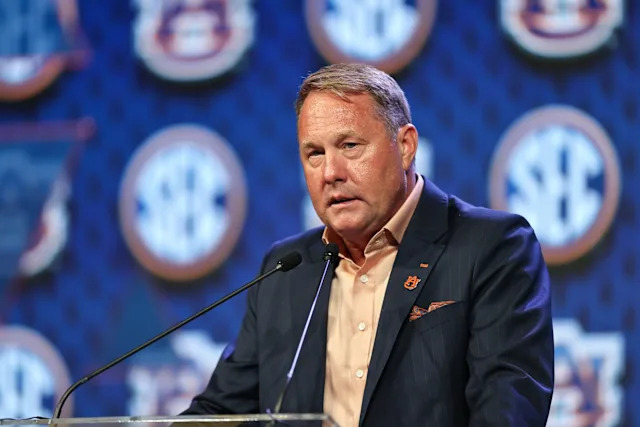
The Return of Hugh Freeze
Hugh Freeze’s return to college football as the head coach of Auburn University has become a topic of discussion across the nation. Following various controversies during his previous tenure at Ole Miss, Freeze’s comeback opens doors to meaningful conversations about redemption, leadership, and resilience in college athletics.
Background and Controversies
Hugh Freeze initially rose to prominence as the head coach of Ole Miss from 2012 until 2017, where he led the team to its first Sugar Bowl in more than 40 years and emphasized a culture of discipline and performance. However, his coaching career faced significant scrutiny due to ethical violations, including recruiting scandals and personal misconduct that ultimately led to his resignation in July 2017.
After a brief hiatus, during which Freeze worked as a consultant and then as the head coach for Liberty University, he made a remarkable turnaround. His tenure at Liberty saw the Flames finish with a 10-1 record during the 2020 season, filling the air with speculation about his potential return to major college football.
Current Season at Auburn
In December 2021, Hugh Freeze was hired by Auburn, marking a crucial moment for both him and the university. As a member of the Southeastern Conference (SEC), Auburn represents a significant platform for Freeze to demonstrate his coaching acumen. The start of the 2023 season faced challenges, including injuries and tough competition, but Freeze has shown resilience and adaptability, proving that he has lessons to learn from his past failures.
This season, Freeze is focusing on revitalizing the Auburn program, instilling a culture of accountability, and ensuring that players understand the importance of both their athletic and academic responsibilities. With support from the administration and a tilt in public perception, he is slowly changing the narrative around his career.
Conclusion: What Lies Ahead
The significance of Hugh Freeze’s journey goes beyond just the wins and losses—it delves into themes of redemption, the capacity of sports to reinvent personal narratives, and the slippery slope of ethical leadership. For college football fans and stakeholders, following Freeze’s journey offers an insight into how a coach can learn from past mistakes while tackling the hurdles of leadership in a high-stakes environment.
As the season progresses, many will be watching closely to see how Freeze navigates his responsibilities at Auburn. His ability to turn around not only his career but also restore the reputation of Auburn football will play a pivotal role in shaping his legacy in the sport.