Introduction
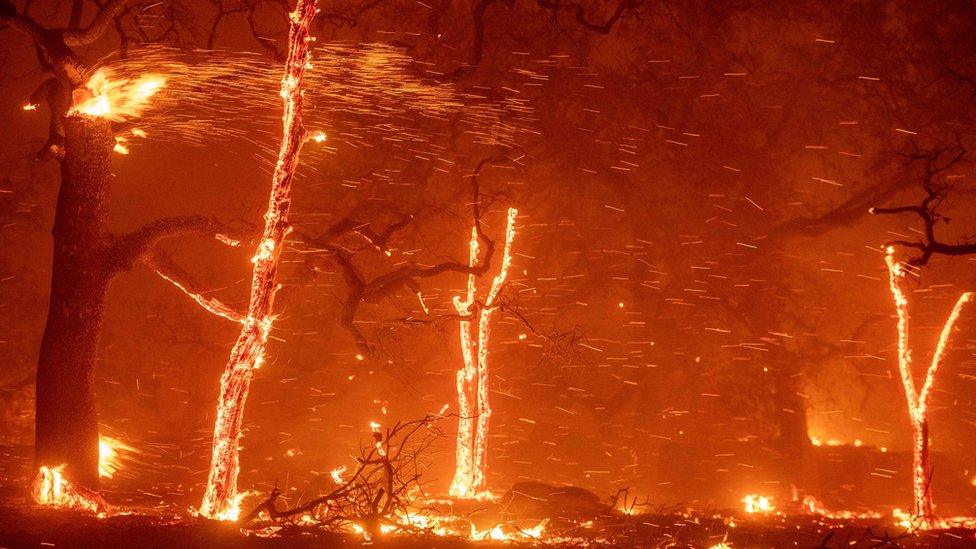
The Paradise California fire, which erupted in November 2018, has left an indelible mark on the community, garnering national attention due to its catastrophic impact. As recovery efforts continue to unfold, the fire serves as a vital reminder of the rising risks of wildfires due to climate change and the need for community resilience and preparedness.
Background of the Fire
The Camp Fire was California’s deadliest and most destructive wildfire in history, claiming 85 lives and destroying over 18,000 structures, primarily in the town of Paradise. The scale of the devastation forced thousands to evacuate, while entire neighborhoods were reduced to ashes in a matter of hours. The aftermath revealed significant challenges regarding emergency response and community setup.
Current Recovery Efforts
Five years after the fire, the town of Paradise is seeing considerable recovery efforts. The community has made strides in rebuilding homes and infrastructure, with state and federal support aiding in the restoration process. As of 2023, nearly 2,000 homes have been built or are in various stages of construction, demonstrating a commitment to revitalizing the area.
Moreover, the town has implemented strict building codes aimed at improving safety against future wildfires, including using fire-resistant materials and creating defensible space around properties. The California government has also allocated funds for fire prevention programs and local agencies have ramped up their resource management strategies.
Ongoing Challenges
Despite progress, residents face various challenges in their recovery journey. The cost of rebuilding and insurance struggles remain critical issues, with many individuals still navigating claims and facing financial stress. Furthermore, mental health impacts linger as survivors cope with loss and trauma, highlighting the need for community support services.
Emergency Preparedness
In light of repeated annual wildfires, local authorities are placing greater emphasis on emergency preparedness. This includes routine community drills, updated evacuation plans, and educational programs focusing on fire safety. Community engagement is critical as residents are encouraged to participate actively in local planning to safeguard their homes.
Conclusion
The Paradise California fire has reshaped the landscape of wildfire management, forcing both local governments and communities to rethink their approaches. As rebuilding continues, it is vital for residents and officials to adopt a proactive stance towards wildfire preparedness. The experiences from Paradise can serve as a blueprint for other communities prone to wildfires, demonstrating that recovery is possible but that vigilance and innovation are key in ensuring long-term safety and resilience.