Introduction
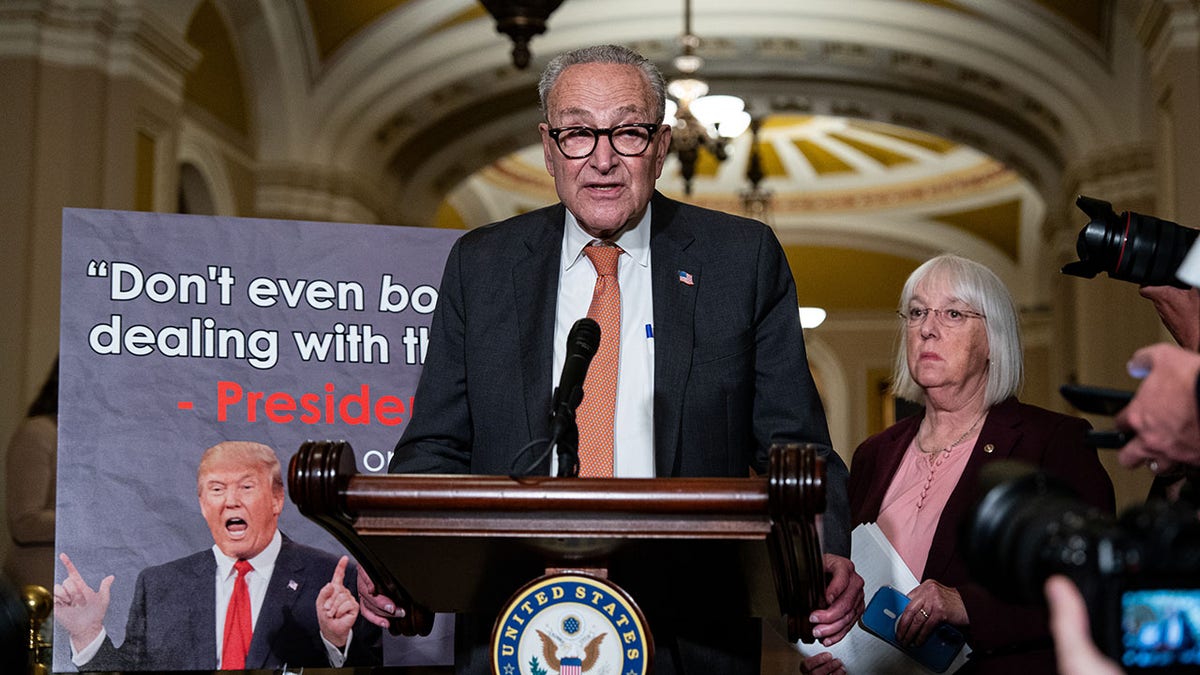
The looming government shutdown in the United States Senate poses significant challenges, affecting not only federal operations but also millions of American lives. As deadlines approach, lawmakers are engaged in intense negotiations to prevent a shutdown that could disrupt essential services, halt federal employee salaries, and impede various critical programs.
The Current Situation
The Senate is currently gridlocked over budget negotiations, primarily focusing on funding allocations for various government agencies and programs. As of late September 2023, disagreements between Republicans and Democrats have escalated, particularly surrounding issues like military spending and domestic programs.
Senate Majority Leader Chuck Schumer emphasized the need for bipartisan cooperation, stating, “We must find common ground to keep the government running and avoid unnecessary turmoil for American families depending on federal services.” On the other hand, Senate Minority Leader Mitch McConnell pointed out the necessity of addressing fiscal responsibility, insisting on cuts to social programs that he deems excessive.
Consequences of a Shutdown
A government shutdown could lead to federal agencies functioning with minimal staff, essential services being disrupted, and over 2 million federal workers potentially furloughed. This situation bears resemblance to previous shutdowns, notably the 35-day standoff in 2018-2019, which resulted in significant financial ramifications for both the government and impacted individuals.
Experts warn that millions of Americans would feel immediate impacts, from delayed federal loans and disrupted food assistance programs to hindered national security operations. The Congressional Budget Office has estimated that a prolonged shutdown could cost the economy billions, potentially stalling economic growth as consumer confidence wavers.
Future Outlook
As October 1st approaches, the Senate is under immense pressure to avoid a government shutdown. Analysts suggest there may be a temporary funding measure, commonly referred to as a “continuing resolution,” that could provide immediate relief while extending the negotiation period for a more comprehensive budget deal.
However, the question remains whether both parties can work collaboratively in the face of strong partisan divides. With the next fiscal deadline looming, the Senate not only has this immediate threat to address but also must consider the long-term implications of ongoing budgetary conflicts.
Conclusion
The potential government shutdown serves as a crucial reminder of the vital role that effective governance plays in ensuring the smooth operation of federal services. For citizens, remaining informed about these developments is essential, as the ramifications of a shutdown could significantly affect daily life and economic stability. With negotiations still underway, the hope remains for a resolution that can prevent disruption and foster a more cooperative political environment moving forward.