Iran has proposed a 30-day resolution to the ongoing war, while U.S. officials remain skeptical about the likelihood of a deal. The proposal aims to address key issues and end hostilities.
As part of its offer, Iran seeks to lift U.S. sanctions, end the naval blockade, withdraw forces, and cease military operations in the region. This comes amid rising tensions in the Strait of Hormuz.
In response, U.S. President Donald Trump expressed doubt that Iran’s proposal would lead to a successful agreement. He stated, “They have not yet paid a big enough price for what they have done to Humanity, and the World, over the last 47 years.” His comments reflect ongoing concerns about Iran’s actions and intentions.
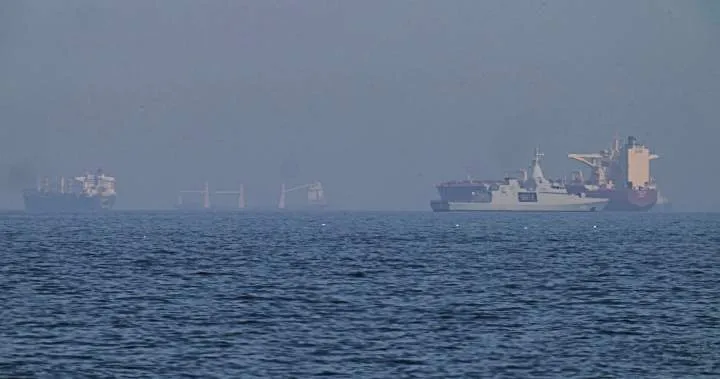
U.S. intelligence agencies are currently analyzing how Iran might react if Trump were to declare a unilateral victory in the conflict. This analysis follows a series of attacks on cargo ships near the Strait of Hormuz since the war began.
The Iranian economy continues to feel pressure as well; the rial weakened further against the U.S. dollar, trading at 1,840,000 rials. Opinion polls indicate that only 26% of Americans believe that the military campaign in Iran has been worth its costs.
The situation remains fluid as both sides navigate these complex issues. Within hours of Iran’s proposal, U.S. Central Command warned shipping companies about potential sanctions for paying Iran to transit safely through the strait.
Both nations face significant challenges in reaching an agreement that satisfies their respective national security interests while addressing economic pressures and military operations.